
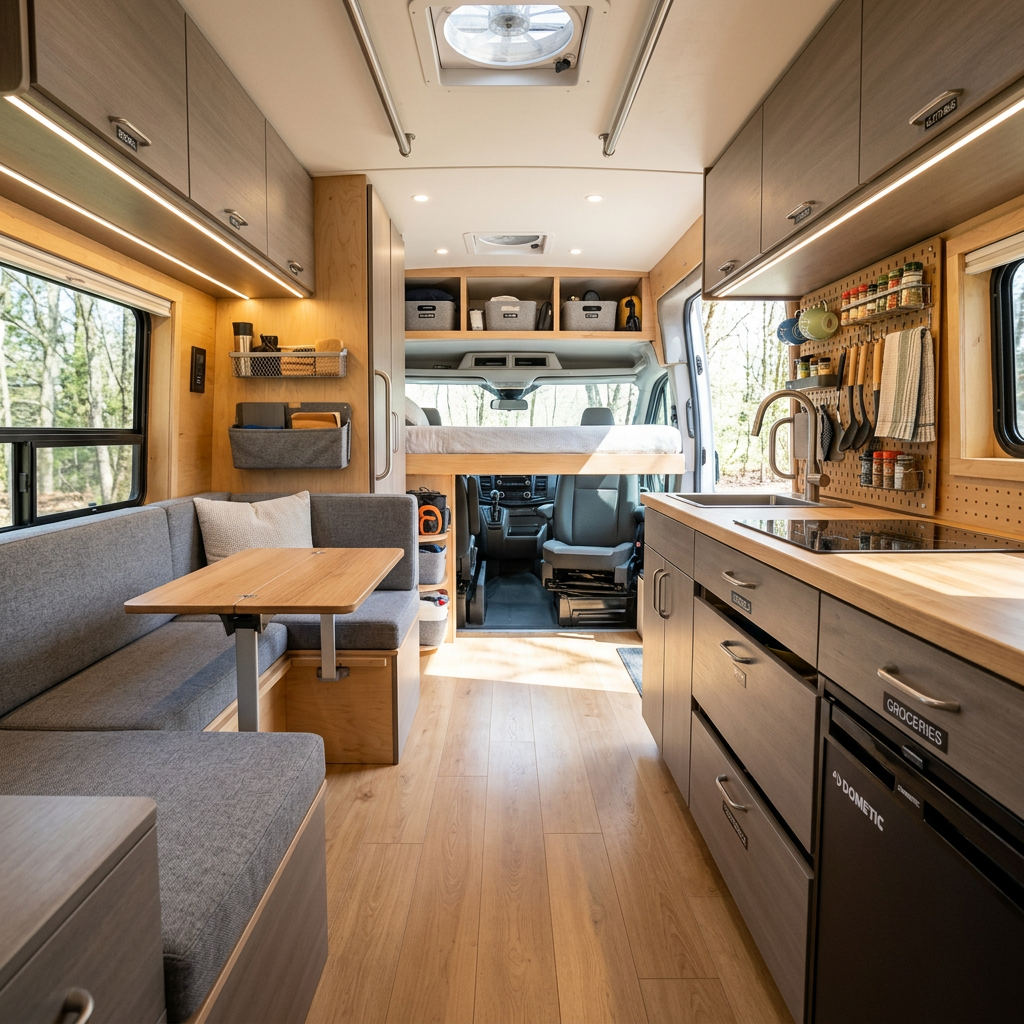
Campervan travel can offer a level of flexibility and independence that many other forms of travel struggle to match.
For people with limited mobility, the ability to travel at their own pace, carry essential equipment and adapt plans as needed can make touring significantly more comfortable.
However, mobility challenges can also affect many aspects of a campervan trip, from entering the vehicle and accessing facilities to choosing suitable campsites and planning activities.
The good news is that many of these challenges can be reduced through thoughtful preparation and practical decision-making.
This guide explores how travellers with limited mobility can enjoy campervan adventures with greater comfort, confidence and independence.
For a broader overview, see Accessibility & Inclusive Campervan Travel Guide (2026 Edition).
What Is Limited Mobility?
Limited mobility can affect people in many different ways.
Examples may include:
- Arthritis
- Joint conditions
- Back problems
- Balance difficulties
- Reduced strength
- Temporary injuries
- Chronic health conditions
- Age-related mobility changes
Every traveller’s circumstances are unique.
Travel plans should be based on individual needs rather than assumptions.
Why Campervan Travel Can Work Well
Traditional holidays often involve:
Frequent Accommodation Changes
Long Walks Through Airports
Carrying Luggage
Fixed Timetables
Limited Flexibility
Campervan travel can provide:
Greater Independence
Flexible Scheduling
Easier Access to Personal Equipment
Familiar Living Spaces
Reduced Travel Stress
For many travellers, these benefits can significantly improve the overall experience.
Choosing the Right Campervan
The vehicle itself plays a major role in travel comfort.
Important considerations may include:
Step Height
Door Access
Interior Space
Bed Accessibility
Bathroom Facilities
Storage Layout
Related article:
➡ Accessible Campervans Explained
A practical layout often matters more than vehicle size alone.
Entry and Exit Considerations
Getting into and out of a campervan can be one of the biggest challenges for travellers with mobility limitations.
Helpful features may include:
Grab Handles
Support Rails
Lower Steps
Powered Entry Steps
Wide Door Openings
Small improvements can make a significant difference during daily use.
Interior Accessibility
Once inside the vehicle, ease of movement becomes important.
Consider:
Walkway Width
Floor Layout
Seating Position
Access to Facilities
Obstacle-Free Movement
A comfortable interior helps reduce physical strain throughout the day.
Planning Routes Carefully
Long travel days can be tiring.
Many travellers benefit from:
Shorter Driving Days
Regular Breaks
Flexible Itineraries
Additional Rest Days
Related future article:
➡ Creating Healthy Travel Routines
Slower travel often improves both comfort and enjoyment.
Build Extra Time into Travel Plans
One of the most effective accessibility strategies is allowing more time than you think you need.
This can help accommodate:
Unexpected Delays
Rest Breaks
Weather Changes
Healthcare Requirements
Removing time pressure often creates a more enjoyable experience.
Accessible Campsite Selection
Not all campsites provide the same level of accessibility.
Before booking, consider:
Surface Conditions
Toilet Facilities
Shower Accessibility
Distance to Amenities
Step-Free Access
Related future article:
➡ Understanding Accessible Campsite Facilities
Research can prevent disappointment on arrival.
Parking Considerations
Suitable parking can have a major impact on comfort.
Helpful factors may include:
Level Ground
Proximity to Facilities
Stable Surfaces
Easy Vehicle Access
Related future article:
➡ Accessible Parking for Campervan Travellers
Convenient parking often reduces unnecessary physical effort.
Managing Daily Activities
Simple daily tasks can become more challenging when travelling.
Examples include:
Cooking
Washing Up
Accessing Storage
Setting Up Equipment
Managing Waste Systems
Organisation can help reduce physical strain.
Accessible Storage Solutions
Poorly designed storage can increase discomfort.
Helpful approaches may include:
Easy-Reach Storage
Frequently Used Items at Accessible Heights
Pull-Out Drawers
Clearly Organised Equipment
Related future article:
➡ Mobility Aids and Campervan Storage Solutions
Convenience often improves safety as well.
Managing Fatigue While Travelling
Fatigue is a common challenge for many travellers with mobility limitations.
Helpful strategies may include:
Frequent Rest Periods
Flexible Schedules
Shorter Travel Days
Recovery Days
Energy management should be viewed as part of trip planning.
Travelling With Mobility Aids
Many travellers use:
Walking Sticks
Rollators
Mobility Scooters
Wheelchairs
Other Assistive Equipment
Consider:
Storage Space
Accessibility
Weight Limits
Charging Requirements
Planning ahead can simplify day-to-day travel.
Healthcare Planning
Access to healthcare may be an important consideration.
Potential preparations include:
Medical Information
Emergency Contacts
Prescription Planning
Healthcare Access Research
Related future article:
➡ Accessing Healthcare While Touring the UK
Preparation provides reassurance.
Managing Medication on the Road
Medication requirements should be considered before every trip.
Helpful planning may include:
Carrying Adequate Supplies
Backup Medication Plans
Safe Storage
Prescription Management
Related future article:
➡ Managing Medication While Travelling
Consistency helps avoid unnecessary complications.
Weather Considerations
The weather can affect mobility significantly.
Potential challenges may include:
Ice
Snow
Heavy Rain
Strong Winds
Extreme Temperatures
Monitoring forecasts can help travellers make informed decisions.
Overnight Comfort Matters
A good night’s rest supports:
- Energy levels
- Mobility
- Wellbeing
- Safety
Important considerations may include:
Comfortable Bedding
Accessible Facilities
Temperature Control
Night-Time Accessibility
Related future article:
➡ Living in a Campervan Full-Time
Comfort often contributes directly to confidence.
Travelling With a Companion
Some travellers travel independently while others travel with support.
Travelling with a companion may help with:
Physical Tasks
Navigation
Emergency Situations
Daily Activities
The best approach depends entirely on individual circumstances.
Don’t Compare Your Travel Style to Others
Social media often promotes fast-paced travel.
In reality, accessible travel may involve:
Slower Itineraries
Additional Planning
More Rest Days
Different Priorities
There is no “correct” way to enjoy campervan travel.
Common Mobility Travel Mistakes
Overplanning Activities
Underestimating Fatigue
Ignoring Accessibility Information
Choosing Unsuitable Campsites
Packing Inefficiently
Many problems can be avoided through realistic planning.
What Experienced Travellers Prioritise
Travellers with mobility requirements often focus on:
Comfort
Accessibility
Flexibility
Realistic Expectations
Energy Management
Practical Planning
Their goal is usually sustainable travel rather than rushed travel.
Accessibility Supports Independence
Many people view accessibility as a limitation.
In reality, good accessibility planning often increases:
- Freedom
- Confidence
- Comfort
- Independence
The right preparation can make campervan travel more enjoyable and less stressful.
Final Thoughts
Travelling with limited mobility in a campervan can be a rewarding and highly achievable way to explore the UK.
While mobility challenges may require additional planning, many aspects of campervan travel naturally support flexibility, independence and comfort.
By choosing a suitable vehicle, planning accessible routes and facilities, managing energy levels and prioritising practical needs, travellers can create enjoyable adventures that work around their individual circumstances.
Ultimately, successful campervan travel is not about travelling further or faster than anyone else.
It is about travelling in a way that allows you to enjoy the journey with confidence and comfort.