
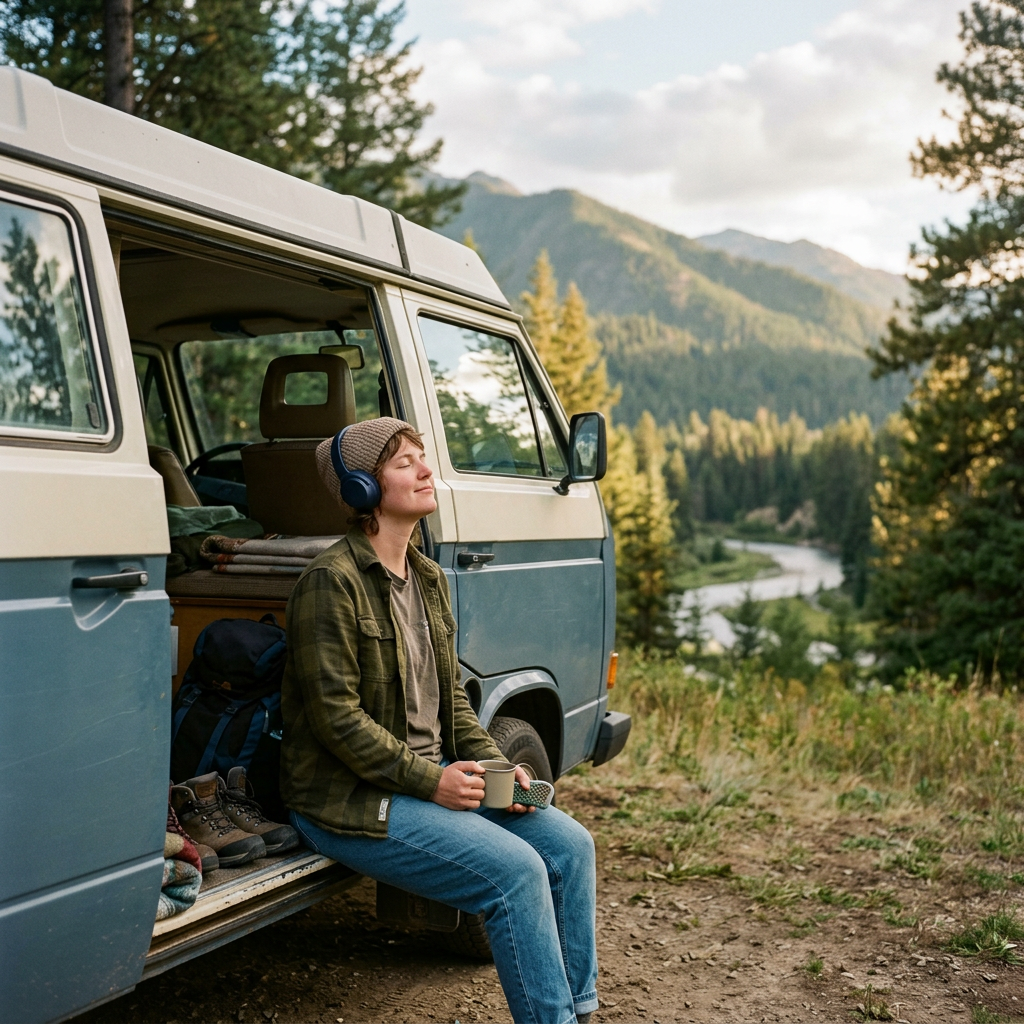
Campervan travel can offer a level of flexibility, predictability and independence that appeals to many autistic travellers.
Unlike traditional holidays, campervan travel often allows people to control their environment, adjust plans when needed and maintain familiar routines while exploring new places.
However, travel can also introduce challenges.
Unexpected changes, unfamiliar locations, sensory overload and disrupted routines can sometimes create stress and reduce enjoyment.
Fortunately, many of these challenges can be managed through thoughtful planning and realistic expectations.
This guide explores practical ways to create autism-friendly campervan travel experiences that prioritise comfort, confidence and enjoyment.
For a broader overview, see Accessibility & Inclusive Campervan Travel Guide (2026 Edition) and Hidden Disabilities & Campervan Travel (2026 Edition).
Understanding Autism and Travel
Autism affects people in different ways.
Every autistic traveller has their own preferences, strengths and support needs.
Potential travel considerations may include:
- Sensory sensitivities
- Routine changes
- Communication preferences
- Anxiety management
- Social interaction levels
- Fatigue management
There is no single “autistic travel experience.”
Travel plans should always reflect individual needs.
Why Campervan Travel Appeals to Many Autistic Travellers
Many forms of travel involve:
Crowded Airports
Busy Hotels
Fixed Schedules
Frequent Changes of Environment
Limited Personal Control
Campervan travel can often provide:
Greater Flexibility
Familiar Living Spaces
Predictable Environments
Control Over Daily Routines
Opportunities for Quiet Time
These advantages can make travel feel more manageable and enjoyable.
The Importance of Familiar Spaces
One of the biggest benefits of campervan travel is that much of the environment remains consistent.
Travellers can bring:
Familiar Bedding
Preferred Foods
Favourite Activities
Comfort Items
Personal Equipment
This continuity can help reduce stress when visiting unfamiliar locations.
Routine Can Support Confidence
Many autistic people benefit from predictable routines.
While travel naturally involves some change, maintaining elements of a routine may help.
Examples include:
Regular Wake-Up Times
Consistent Meal Times
Planned Rest Periods
Familiar Evening Routines
Flexibility and routine can often work together.
Planning Ahead Can Reduce Uncertainty
Unexpected situations can sometimes create additional stress.
Helpful planning may include:
Route Research
Campsite Research
Activity Planning
Weather Monitoring
Backup Options
Knowing what to expect can increase confidence before travelling.
Create Flexible Itineraries
Detailed planning can be helpful, but overly rigid schedules may become frustrating if plans change.
Many travellers benefit from:
Flexible Travel Days
Alternative Activities
Backup Campsites
Additional Time Buffers
Flexibility helps reduce pressure when circumstances change unexpectedly.
Sensory Considerations in Campervan Travel
Sensory experiences can significantly affect comfort levels.
Potential considerations include:
Noise
Lighting
Crowds
Smells
Temperature
Weather Conditions
Identifying personal triggers can help guide travel decisions.
Choosing Quieter Campsites
Not all campsites offer the same environment.
Some travellers may prefer:
Smaller Campsites
Rural Locations
Off-Peak Travel
Lower Traffic Areas
Quieter Facilities
Related future article:
➡ Sensory-Friendly Campervan Living
The campsite environment often affects the overall travel experience.
Managing Noise Levels
Noise can vary considerably depending on location.
Potential sources include:
Traffic
Campsite Activities
Nearby Events
Weather Conditions
Other Campers
Researching locations in advance can help reduce surprises.
Managing Social Expectations
Some travellers enjoy social interaction while others prefer more independent travel.
Campervan travel allows people to choose:
When to Socialise
When to Take Breaks
How Much Interaction Feels Comfortable
There is no requirement to travel in a particular way.
Food Familiarity Can Help
Access to familiar foods can provide reassurance and comfort.
Benefits may include:
Consistency
Reduced Stress
Greater Control
Easier Meal Planning
The ability to prepare meals inside a campervan can be particularly valuable.
Rest and Recovery Matter
Travel can be enjoyable, but still mentally demanding.
Helpful strategies may include:
Quiet Time
Recovery Days
Reduced Activity Schedules
Time Alone When Needed
Rest should be viewed as part of the travel plan rather than an interruption.
Managing Anxiety During Travel
Anxiety and autism sometimes overlap, although experiences vary between individuals.
Helpful approaches may include:
Advance Planning
Familiar Environments
Predictable Routines
Flexible Expectations
Related future article:
➡ Managing Anxiety While Travelling
Preparation often helps reduce uncertainty.
Communication and Campsites
Some travellers find it useful to contact campsites before arrival.
This can help clarify:
Site Layouts
Pitch Locations
Facility Information
Noise Expectations
Accessibility Requirements
Accurate information often improves confidence.
Travelling With Family
Families travelling with autistic children or adults may benefit from:
Predictable Daily Structures
Familiar Activities
Flexible Scheduling
Sensory-Friendly Environments
Related future article:
➡ Accessible Family Campervan Travel
The goal is often to create enjoyable experiences rather than busy itineraries.
Full-Time Vanlife Considerations
Autistic travellers living or travelling full-time in a campervan may find routine particularly important.
Potential considerations include:
Consistent Habits
Healthcare Access
Sustainable Travel Pace
Familiar Environments
Related future articles:
- Living in a Campervan Full-Time
- Full-Time Vanlife Guide
A sustainable lifestyle is often more valuable than a fast-paced one.
Common Autism Travel Mistakes
Overloading Itineraries
Ignoring Sensory Needs
Booking Unfamiliar Locations Without Research
Underestimating Recovery Time
Comparing Travel Styles to Others
Travel should be adapted to individual needs rather than external expectations.
What Experienced Travellers Prioritise
Many autistic campervan travellers focus on:
Predictability
Comfort
Flexibility
Familiarity
Sensory Management
Sustainable Travel
Their priorities often centre on enjoyment rather than maximising activities.
Autism-Friendly Travel Is Individual
There is no perfect travel formula.
What works well for one person may not work for another.
Successful autism-friendly campervan travel is usually built around:
- Personal preferences
- Practical planning
- Realistic expectations
- Flexible routines
The aim is to create an environment that supports comfort and confidence.
Final Thoughts
Campervan travel can be an excellent option for many autistic travellers because it combines freedom, flexibility and control over the travel environment.
While challenges such as sensory overload, disrupted routines and uncertainty may still arise, thoughtful planning can help create positive and rewarding experiences.
By prioritising familiar routines, sensory comfort, flexible schedules and realistic expectations, autistic travellers can build journeys that are enjoyable, sustainable and suited to their individual needs.
Ultimately, autism-friendly campervan travel is not about travelling in a particular way.
It is about creating experiences that allow you to explore comfortably, confidently and on your own terms.