
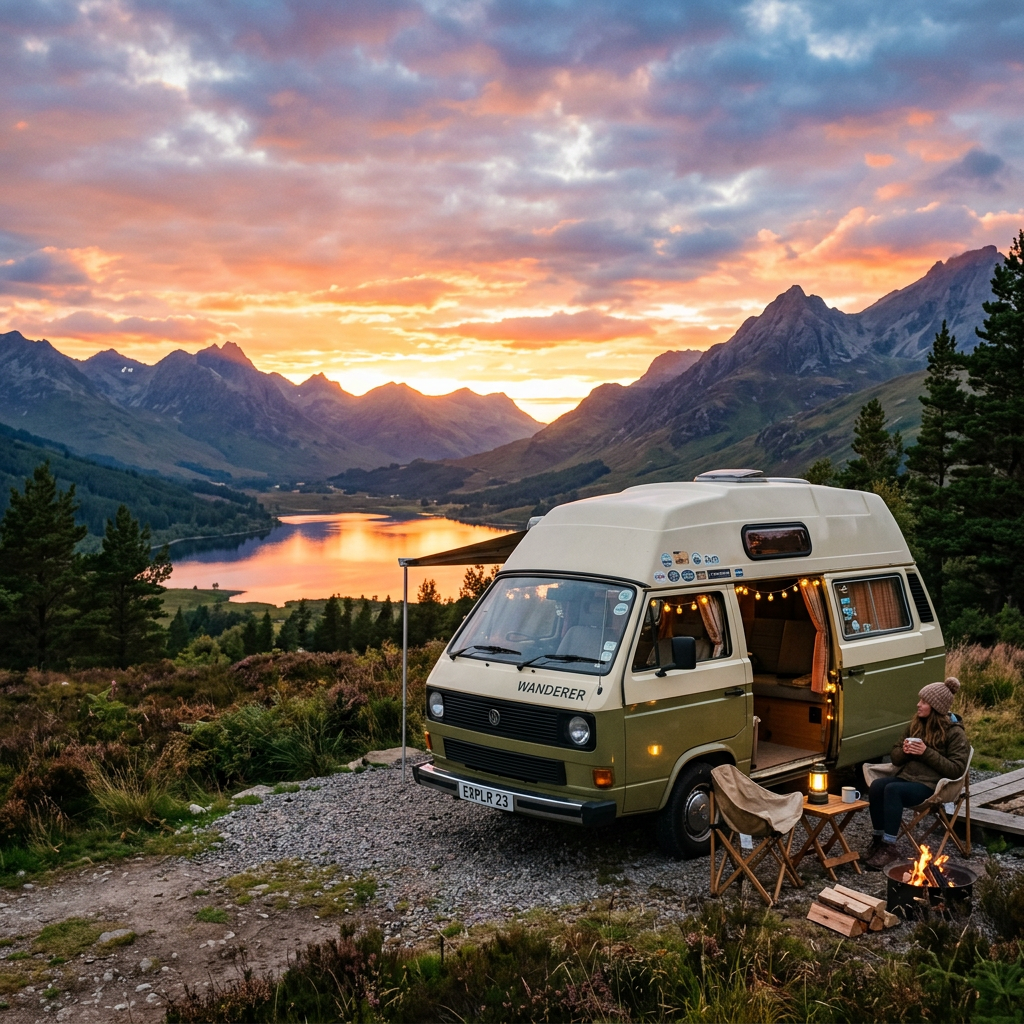
Travel can be exciting, rewarding and memorable, but it can also create feelings of uncertainty, stress and anxiety.
For some campervan travellers, anxiety may be an occasional challenge linked to unfamiliar situations. For others, it may be a long-term condition that affects planning, decision-making and daily life on the road.
Fortunately, campervan travel often provides advantages that can help reduce many common travel-related stressors. The flexibility to adjust plans, maintain routines and travel at your own pace can make journeys feel more manageable and enjoyable.
This guide explores practical strategies for managing anxiety while travelling and creating campervan experiences that support confidence, comfort and wellbeing.
For a broader overview, see Hidden Disabilities & Campervan Travel (2026 Edition) and Accessibility & Inclusive Campervan Travel Guide (2026 Edition).
Understanding Travel Anxiety
Travel anxiety can affect people in different ways.
Some travellers may experience concerns about:
- Unfamiliar places
- Route planning
- Driving
- Campsites
- Social situations
- Safety
- Unexpected changes
Others may experience physical symptoms such as:
- Increased heart rate
- Restlessness
- Difficulty sleeping
- Muscle tension
- Racing thoughts
Anxiety affects everyone differently, and there is no single “correct” way to manage it.
Why Travel Can Trigger Anxiety
Travel naturally involves uncertainty.
Examples include:
New Locations
Changing Plans
Traffic Delays
Weather Conditions
Technical Problems
Social Interactions
Even positive experiences can sometimes feel overwhelming when many changes occur at once.
Why Campervan Travel Can Be Helpful
Compared to some forms of travel, campervan trips often offer greater control.
Benefits may include:
Flexible Schedules
Familiar Surroundings
Personal Space
Control Over Plans
Reduced Time Pressure
Many travellers find this flexibility reassuring.
Preparation Builds Confidence
One of the most effective ways to reduce travel anxiety is through preparation.
Helpful steps may include:
Route Planning
Campsite Research
Vehicle Checks
Emergency Planning
Weather Monitoring
Preparation cannot eliminate uncertainty entirely, but it can reduce unnecessary stress.
Avoid Overplanning
Preparation is valuable, but excessive planning can sometimes increase anxiety.
Some travellers feel pressure when every detail is scheduled.
A balanced approach often works best.
Consider:
Planning Essentials
Leaving Flexibility
Allowing Time Buffers
Accepting Minor Changes
Travel rarely goes exactly as planned.
Start With Familiar Trips
Travellers who feel anxious about extended travel may benefit from shorter journeys first.
Examples include:
Weekend Trips
Local Campsites
Day Visits
Familiar Destinations
Confidence often grows through experience.
Create Predictable Travel Routines
Routine can provide a sense of stability.
Helpful habits may include:
Consistent Wake-Up Times
Regular Meal Times
Daily Walks
Evening Wind-Down Routines
Related future article:
➡ Creating Healthy Travel Routines
Small routines can create a sense of familiarity wherever you travel.
Build Flexibility into Every Trip
Unexpected changes are part of travel.
Rather than trying to eliminate uncertainty entirely, consider planning for it.
Examples include:
Backup Campsites
Alternative Routes
Flexible Schedules
Additional Travel Time
Flexibility can reduce pressure when plans change.
Focus on What You Can Control
Many travel worries relate to situations outside our control.
Examples include:
- Traffic
- Weather
- Other people
- Campsite availability
Focusing on controllable factors can be more productive.
These might include:
- Preparation
- Driving decisions
- Rest breaks
- Vehicle maintenance
- Travel pace
Driving Anxiety and Campervan Travel
Driving can be a significant source of anxiety for some travellers.
Potential concerns include:
Narrow Roads
Motorways
Parking
Reversing
Driving Larger Vehicles
Helpful strategies may include:
Practising Before Trips
Driving During Quieter Periods
Taking Regular Breaks
Choosing Simpler Routes
Confidence often develops gradually.
Campsite Anxiety
Arriving at a new campsite can sometimes feel stressful.
Common concerns include:
Finding the Pitch
Site Layouts
Social Interactions
Facility Locations
Noise Levels
Researching campsites before arrival can help reduce uncertainty.
Social Anxiety and Campervan Travel
Not every traveller enjoys meeting new people.
Campervan travel offers flexibility in how much social interaction occurs.
Options may include:
Independent Travel
Smaller Campsites
Quiet Locations
Limited Social Activities
There is no obligation to socialise more than one feels comfortable.
Managing Anxiety During Travel
When anxiety increases, some travellers find it helpful to:
Take a Break
Slow Down
Rest
Change Plans
Reduce Commitments
Adapting plans is often a sign of good judgment rather than failure.
Rest Is Part of Travel
Many travellers view rest days as wasted time.
In reality, rest often helps improve:
- Energy levels
- Concentration
- Enjoyment
- Emotional wellbeing
Related future article:
➡ Avoiding Burnout on the Road
Recovery time can be an important part of sustainable travel.
The Benefits of Slower Travel
A slower travel style can reduce pressure significantly.
Benefits may include:
Fewer Driving Hours
Less Planning Stress
More Recovery Time
Greater Enjoyment
Travelling less can sometimes improve the overall experience.
Managing Anxiety Around Safety
Safety concerns are common among travellers.
Preparation may help reduce worry.
Examples include:
Vehicle Maintenance
Emergency Contacts
Campsite Research
Personal Safety Planning
Travelling With a Companion
Some travellers feel more comfortable travelling with a partner, friend or family member.
Benefits may include:
Shared Responsibilities
Emotional Support
Practical Assistance
Greater Confidence
However, solo travel can also be enjoyable with appropriate preparation.
Full-Time Vanlife and Anxiety
For full-time travellers, anxiety may be influenced by:
Finances
Vehicle Reliability
Healthcare Access
Long-Term Planning
Related future articles:
- Living in a Campervan Full-Time
- Full-Time Vanlife Guide
Developing sustainable routines can help manage long-term stress.
Common Anxiety Travel Mistakes
Overloading Itineraries
Ignoring Stress Signals
Comparing Yourself to Others
Refusing to Adjust Plans
Trying to Control Everything
Many challenges become easier when expectations remain flexible.
What Experienced Travellers Prioritise
Experienced travellers often focus on:
Preparation
Flexibility
Comfort
Realistic Expectations
Sustainable Travel Pace
Enjoyment
They understand that successful travel rarely depends on perfect plans.
Confidence Develops Over Time
Travel confidence is usually built gradually.
Each trip provides opportunities to:
- Learn new skills
- Solve problems
- Build resilience
- Increase familiarity
Small successes often lead to greater confidence over time.
Final Thoughts
Anxiety can affect campervan travel in many different ways, but it does not have to prevent people from enjoying rewarding adventures.
Campervan travel often offers flexibility, independence and personal control that can help reduce many common travel-related stressors.
By preparing carefully, maintaining realistic expectations, building routines and allowing flexibility when plans change, travellers can create experiences that feel more comfortable and manageable.
Ultimately, successful travel is not about eliminating every source of uncertainty.
It is about developing the confidence to navigate uncertainty while continuing to enjoy the journey.