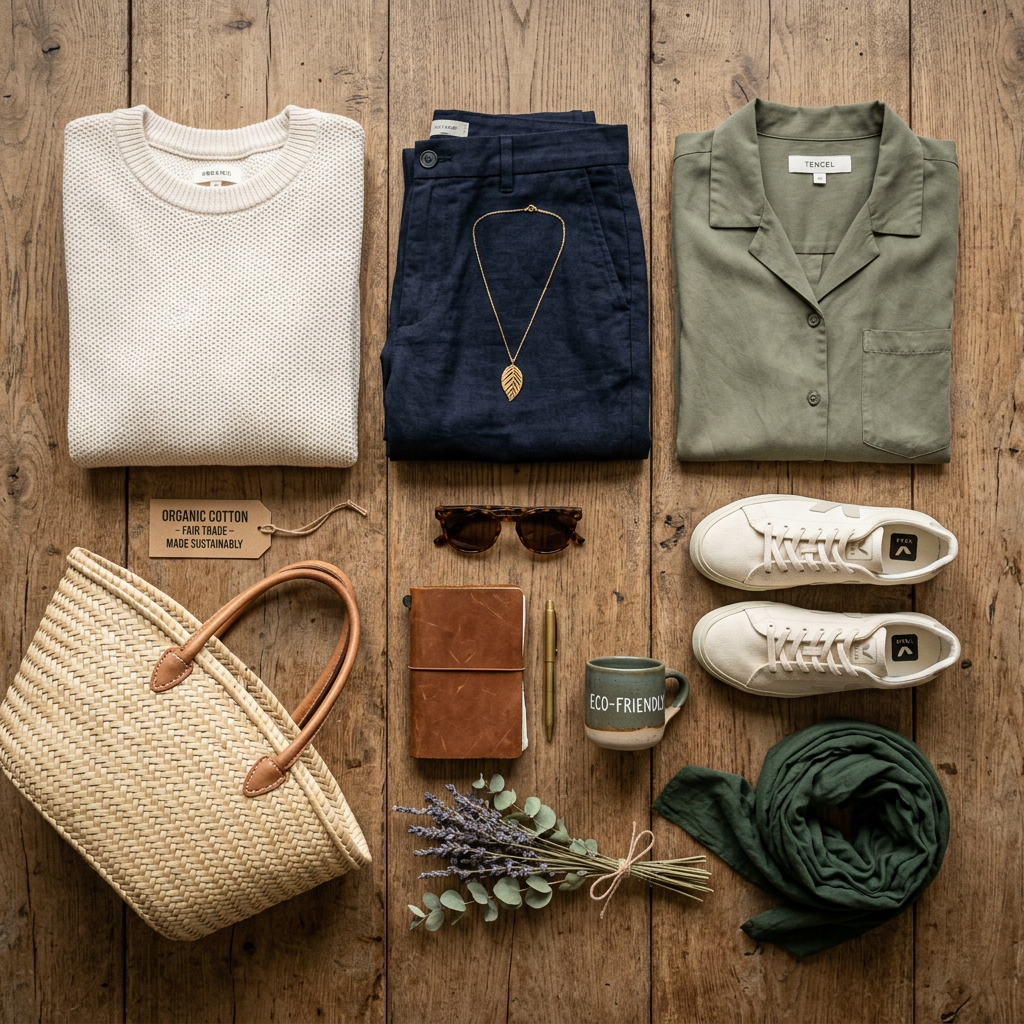
“Eco-friendly” gets used a lot, but not all brands are equally committed to real sustainability. The most trustworthy UK brands tend to focus on transparent supply chains, circular design, ethical production, and long-lasting materials, not just marketing claims.
Here’s a practical 2026 guide to some of the most credible eco-friendly and sustainable brands in the UK, spanning fashion, lifestyle, and everyday products.
Sustainable fashion brands
Finisterre
A UK-based outdoor clothing brand focused on durable, ocean-friendly materials and long-lasting design.
Boden
A long-established UK brand is increasingly using organic cotton and responsible supply chains across its collections.
Komodo
One of the UK’s early pioneers in ethical fashion, using organic, recycled, and fair-trade materials since the 1980s.
Baukjen
A certified B Corp womenswear brand known for ethical production and circular fashion initiatives like resale and rental.
Stella McCartney
Luxury fashion brand built around vegan materials, innovation, and reduced environmental impact in high-end design.
Beauty & lifestyle (UK presence/influence)
Lush
A major UK-based brand known for packaging-free products, solid cosmetics, and strong anti-waste initiatives.
Aesop (UK retail presence, global brand)
High-quality, minimalist skincare with a growing focus on sustainable packaging and refill systems.
What makes a brand truly “eco-friendly”?
Not all green labels mean the same thing. Stronger indicators include:
✔ certified B Corp status
✔ organic or recycled materials
✔ transparent supply chains
✔ repair, resale, or recycling programmes
✔ long product lifespans (less fast fashion mentality)
👉 https://www.bcorporation.net/en-us/certification/
A quick reality check
Many brands now use “eco-friendly” as a marketing term. Based on wider consumer feedback, common issues include:
- Unclear sourcing claims
- Partial sustainability (only one product line)
- Over-reliance on offsets instead of reductions
This is why checking materials + longevity + transparency matters more than labels alone.
Why this matters
The most sustainable choice is often not a “perfect brand” but a better long-term system of buying less, choosing well, and supporting transparent companies.
We’ll continue building UK-focused sustainability guides that highlight brands with real practices, not just green branding.