
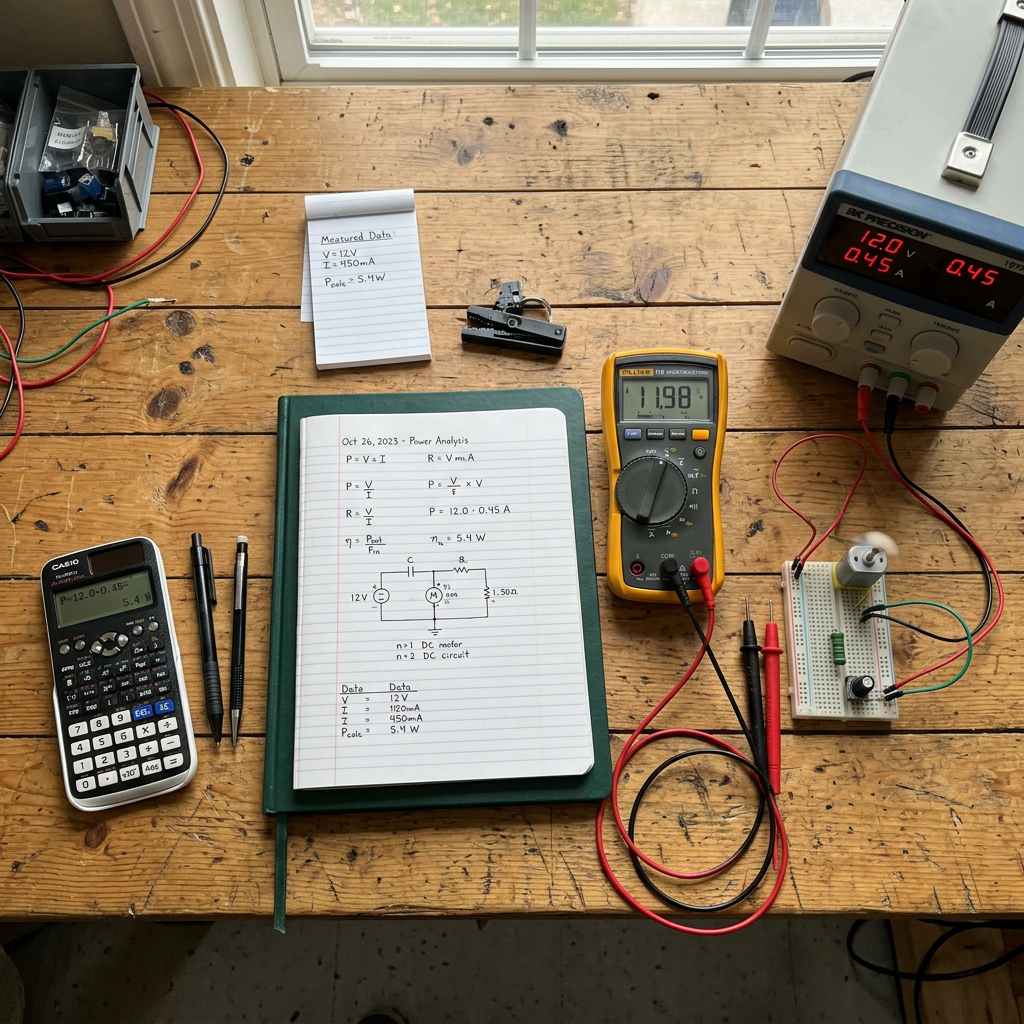
One of the most common mistakes new campervan owners make is buying batteries or solar panels before understanding how much electricity they actually use.
Without accurate energy calculations, it is easy to overspend on unnecessary equipment or build a system that struggles to meet your daily requirements.
The purpose of an energy calculator is simple:
Measure your daily power consumption before investing in your electrical system.
This guide explains how to calculate your daily energy needs, estimate battery requirements and determine an appropriate solar setup for your style of travel.
For a complete overview of campervan power systems, see Campervan Electrical & Solar Systems.
Why Energy Calculations Matter
Every electrical decision should begin with consumption.
Understanding your energy use helps you:
- Size batteries accurately
- Choose suitable solar panels
- Plan off-grid stays
- Avoid unnecessary costs
- Improve system reliability
- Prepare for future upgrades
The most efficient campervan electrical systems are built around actual usage rather than assumptions.
Step 1: List Every Electrical Device
Start by creating a list of everything that consumes power.
Typical examples include:
| Device | Typical Power Draw |
| LED Lighting | 5–20W |
| Water Pump | 30–70W |
| Compressor Fridge | 30–60W |
| Laptop | 40–100W |
| Mobile Phone Charger | 5–20W |
| Diesel Heater Controls | 10–20W |
| Television | 20–100W |
| Coffee Machine | 800–1,500W |
| Hair Dryer | 1,000–2,000W |
Every appliance contributes to your daily energy requirements.
Step 2: Estimate Daily Usage Hours
Next, estimate how long each device operates during a typical day.
Example:
| Device | Power | Hours Used |
| Lighting | 10W | 5 Hours |
| Laptop | 60W | 4 Hours |
| Phone Charger | 15W | 2 Hours |
These figures do not need to be perfect initially.
Reasonable estimates provide a useful starting point.
Step 3: Calculate Daily Consumption
Use the formula:
Watts × Hours = Watt Hours (Wh)
Examples:
Lighting:
10W × 5 Hours
= 50Wh
Laptop:
60W × 4 Hours
= 240Wh
Phone Charger:
15W × 2 Hours
= 30Wh
Total:
320Wh per day
Repeat this process for every device in your campervan.
Example Energy Calculator
Basic Weekend Setup
| Appliance | Daily Consumption |
| Fridge | 400Wh |
| Lighting | 50Wh |
| Water Pump | 20Wh |
| Phone Charging | 40Wh |
| Heater Controls | 100Wh |
Total: 610Wh per day
Touring Couple Setup
| Appliance | Daily Consumption |
| Fridge | 500Wh |
| Lighting | 60Wh |
| Water Pump | 20Wh |
| Laptop | 300Wh |
| Phone Charging | 50Wh |
| Heater Controls | 150Wh |
Total: 1,080Wh per day
Remote Worker Setup
| Appliance | Daily Consumption |
| Fridge | 500Wh |
| Laptop 1 | 400Wh |
| Laptop 2 | 400Wh |
| Router | 150Wh |
| Lighting | 60Wh |
| Charging Devices | 100Wh |
| Heater Controls | 150Wh |
Total: 1,760Wh per day
Convert Consumption into Battery Requirements
Once you know your daily energy use, you can estimate battery capacity.
Formula:
Daily Consumption ÷ Battery Voltage = Required Amp Hours
Example:
1,200Wh per day
1,200 ÷ 12.8
= 94Ah
For practical purposes, this traveller would typically choose:
100–150Ah Lithium
However, battery sizing should also consider how many days you want to remain off-grid.
For detailed calculations, see How Much Battery Capacity Do You Actually Need?
Calculate Off-Grid Autonomy
Ask yourself:
How long do I want to operate without charging?
Example:
Daily use:
1,200Wh
Desired autonomy:
2 days
Calculation:
1,200 × 2
= 2,400Wh
Add a 20–30% safety margin.
Recommended capacity:
Approximately 3,000Wh
Equivalent to:
Around 250Ah Lithium
Estimating Solar Requirements
Solar calculations begin with daily consumption.
Formula:
Daily Energy Use ÷ Peak Sun Hours = Solar Array Size
Example:
1,200Wh daily consumption
Average summer production:
4.5 peak sun hours
1,200 ÷ 4.5
= 267W
Recommended system:
300–400W Solar Array
This provides a useful buffer for poor weather.
For detailed calculations, see Solar Power Calculations for UK Vanlife.
Seasonal Energy Planning
Many travellers calculate energy requirements using summer conditions.
This often creates problems during colder months.
Winter challenges include:
- Reduced solar generation
- Longer lighting use
- Increased heating demand
- More indoor device usage
Energy systems should be sized around realistic year-round requirements whenever possible.
For seasonal guidance, see upcoming Winter Vanlife Energy Strategies.
Quick Energy Planning Table
| Daily Usage | Typical Travel Style |
| 300–800Wh | Weekend Travel |
| 800–1,500Wh | Touring Couple |
| 1,500–2,500Wh | Remote Worker |
| 2,500Wh+ | Full-Time Vanlife |
These ranges provide useful starting points when estimating system size.
Hidden Energy Consumers
Many people overlook smaller devices that operate continuously.
Common examples include:
- Routers
- Wi-Fi equipment
- USB chargers
- Battery monitors
- Gas safety systems
- Alarm systems
Individually, these loads are small.
Collectively, they can significantly increase daily consumption.
Common Calculator Mistakes
Ignoring Appliance Duty Cycles
Fridges rarely run continuously.
Use realistic estimates.
Forgetting Future Equipment
Many electrical systems expand over time.
Underestimating Laptop Usage
Remote work often consumes more energy than expected.
Designing Around Perfect Weather
Solar generation fluctuates significantly.
Not Including Safety Margins
Unexpected usage is common.
Typical Electrical Setups for 2026
Basic Touring Setup
- 100Ah Lithium
- 200W Solar
Suitable for:
- Weekends
- Short trips
- Light energy use
Popular Touring Setup
- 200Ah Lithium
- 400W Solar
Suitable for:
- Couples
- Multi-week travel
- Moderate off-grid use
Remote Working Setup
- 300Ah Lithium
- 600W Solar
Suitable for:
- Laptops
- Internet equipment
- Extended off-grid stays
Full-Time Off-Grid Setup
- 400–600Ah Lithium
- 700W+ Solar
Suitable for:
- Continuous travel
- High energy demand
- Maximum independence
For long-term considerations, see Full-Time Vanlife Energy Guide, which is coming soon.
Vanlife Energy Planning Worksheet
Before purchasing equipment:
List Devices
✓ Lighting
✓ Fridge
✓ Water Pump
✓ Laptops
✓ Chargers
✓ Heating Controls
✓ Additional Appliances
Calculate Usage
✓ Power Rating
✓ Hours Used
✓ Daily Consumption
Determine Goals
✓ Daily Energy Use
✓ Off-Grid Duration
✓ Battery Capacity
✓ Solar Requirements
✓ Seasonal Considerations
Final Thoughts
Accurate energy calculations form the foundation of every successful campervan electrical system.
By understanding how much power you use each day, you can choose batteries, solar panels and charging equipment that genuinely meet your needs rather than relying on estimates or marketing claims.
The best systems are not necessarily the largest.
They are the systems designed around realistic energy consumption, travel habits and future plans.
A few simple calculations today can save significant money and frustration later while helping you build a campervan that performs reliably wherever your adventures take you.