Recycling is often presented as the main solution to waste, but the reality in the UK is more complex. The short answer is yes, recycling does work, but it’s not a complete solution on its own.
This guide breaks down what actually happens to your recycling, what works well in the UK system, and where the limits are.
1. Recycling does work, but not everything gets recycled
In the UK, a significant portion of household waste is collected for recycling, but:
- Not all materials are recyclable
- Contamination (wrong items in bins) reduces success rates
- Some materials are exported for processing
UK recycling guidance:
👉 https://www.gov.UK/recycling-collections
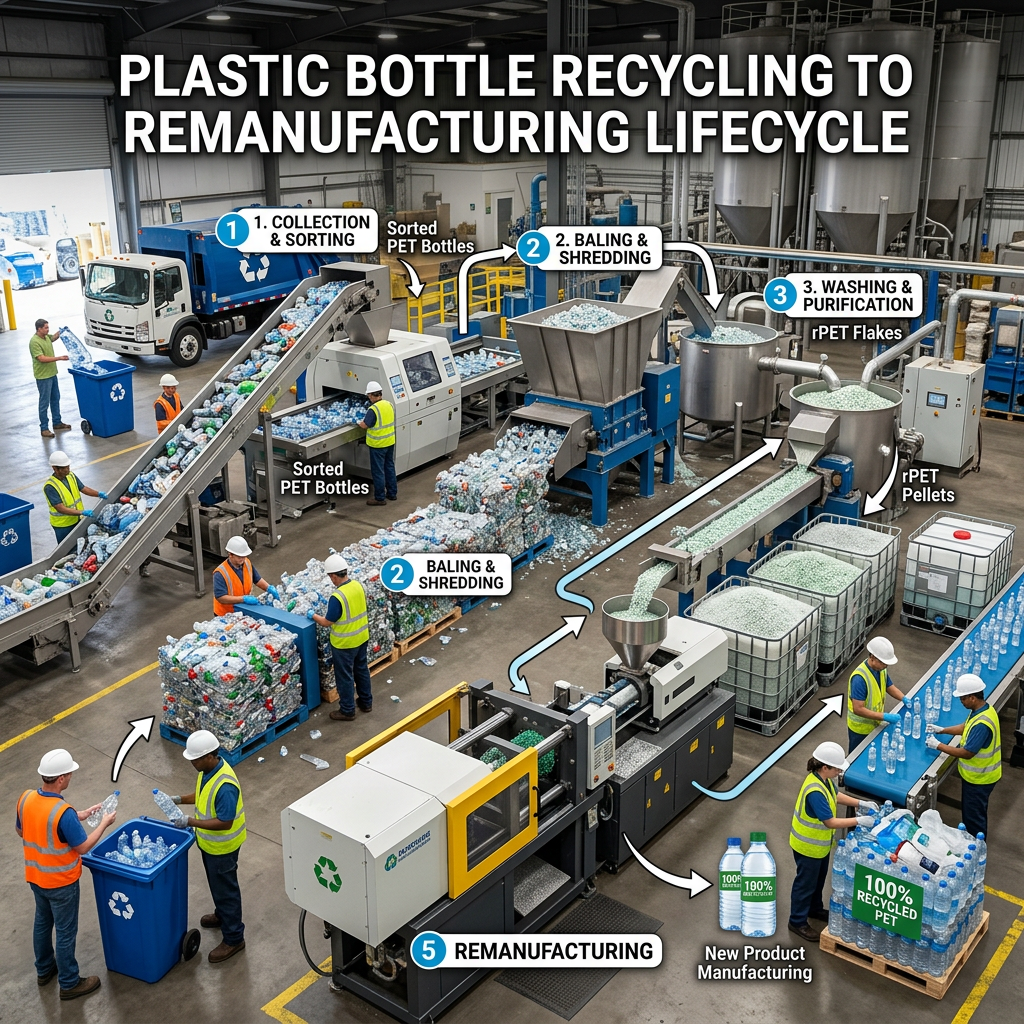
2. What actually happens to recycled waste?
Once collected, materials are usually:
- Sorted at recycling facilities
- Cleaned and processed into raw materials
- Reused in manufacturing (e.g., packaging, textiles, construction)
However, quality varies:
- Paper and metal recycling tends to be more efficient
- Mixed plastics are harder to process and often downgraded
3. Common problems in UK recycling
Recycling in practice is not perfect. Key issues include:
- Contamination: Food waste in recycling bins can ruin whole batches
- Confusing rules: Different councils accept different materials
- Downcycling: Plastics often become lower-quality products
- Export dependency: Some materials are shipped abroad for processing
👉 https://www.recyclenow.com/recycling-knowledge
4. So how effective is it really?
Recycling helps reduce:
- Landfill use
- Raw material extraction
- Energy consumption compared to producing new materials
But it does not:
- Eliminate waste production
- Fix overconsumption
- Handle all plastic types effectively
This is why recycling is often described as part of the solution, not the solution itself.
5. The bigger impact is upstream (before recycling)
The most effective waste reduction happens before recycling:
✔ buy less overall
✔ choose reusable items
✔ avoid unnecessary packaging
✔ extend product lifespan
6. What actually makes recycling more effective?
You can improve real-world recycling outcomes by:
- Keeping materials clean and dry
- Following local council rules
- Avoiding “wish-cycling” (putting unsure items in recycling)
- Reducing contamination at home
Find local rules:
👉 https://www.gov.UK/recycling-collections
Final answer
Recycling in the UK is useful and important, but it is:
✔ effective for some materials
✔ inconsistent across systems
✔ limited by design and behaviour
The biggest environmental gains still come from reducing consumption and reusing items first, with recycling as the final step, not the first solution.
We’ll continue breaking down sustainability topics in clear, practical UK-focused guides like this.