
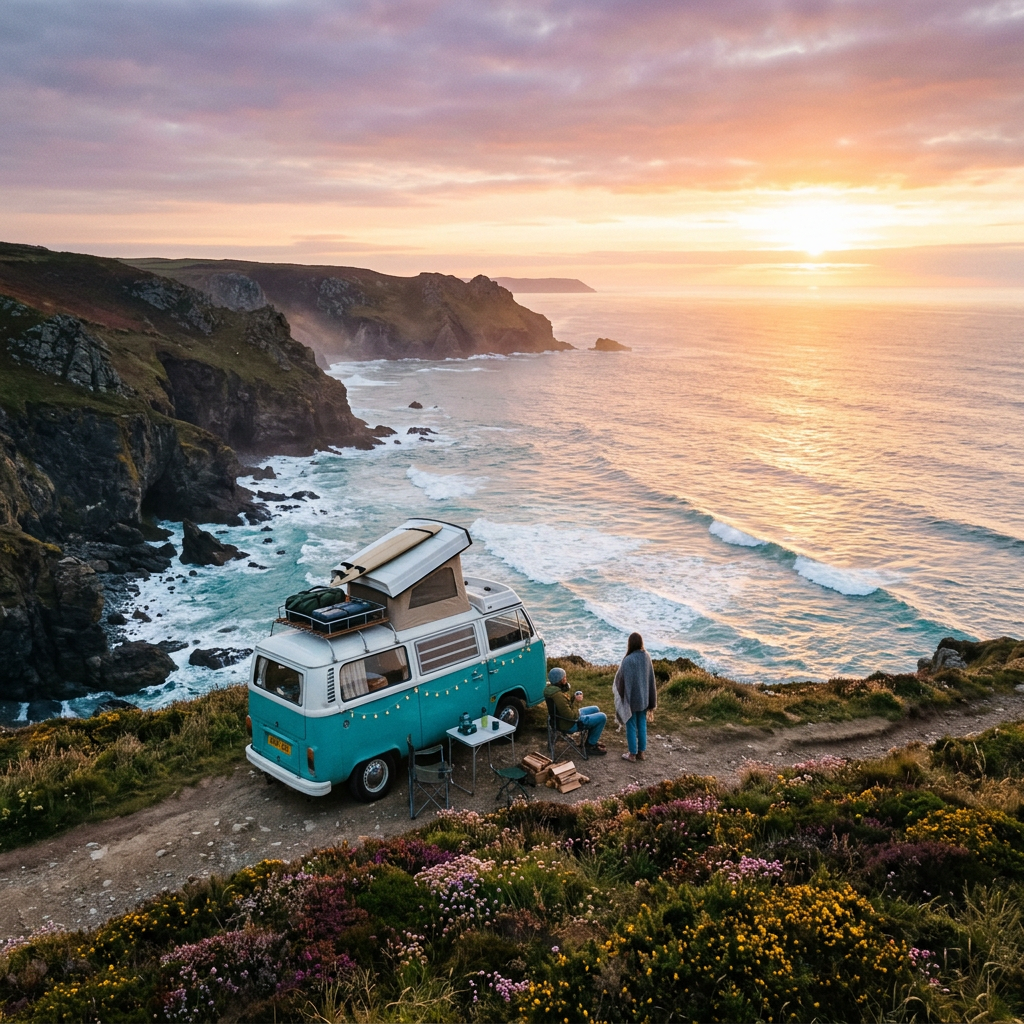
Living in a campervan full-time is no longer a niche lifestyle.
Across the UK, increasing numbers of people are choosing to exchange conventional housing for a life of mobility, flexibility and adventure. Some are motivated by travel opportunities, others by financial considerations, while many simply value the freedom that comes from carrying everything they need wherever they go.
However, full-time vanlife is very different from occasional campervan holidays.
Success requires careful planning, realistic expectations, and reliable systems for power, water, connectivity, healthcare, finances, and daily living.
This guide provides a complete overview of what full-time vanlife involves in 2026 and links to more detailed resources covering every major aspect of life on the road.
What Is Full-Time Vanlife?
Full-time vanlife means using a campervan, motorhome or converted van as your primary residence.
Rather than travelling for short periods, full-time travellers often spend months or years living on the road.
The lifestyle can include:
- Continuous travel
- Seasonal travel
- Remote working
- Retirement touring
- Long-term UK exploration
- International travel
Every full-time traveller develops a different approach based on their goals, budget, and circumstances.
Why People Choose Full-Time Vanlife
Motivations vary considerably.
Common reasons include:
Freedom and Flexibility
The ability to change location whenever desired.
Travel Opportunities
Exploring new destinations without repeated accommodation costs.
Simpler Living
Reducing possessions and commitments.
Remote Working
Combining income with travel.
Retirement Adventures
Using retirement years for extended travel.
Cost Control
Potentially reducing housing expenses.
While vanlife can reduce some costs, it is not automatically a cheap lifestyle.
Is Full-Time Vanlife Right for You?
The lifestyle offers significant benefits but also presents challenges.
Advantages include:
- Location independence
- Flexible schedules
- Constant access to outdoor environments
- Lower accommodation costs
- Travel opportunities
Challenges include:
- Limited living space
- Weather dependence
- Vehicle maintenance
- Finding overnight locations
- Managing utilities
- Administrative requirements
Understanding both sides is essential before making long-term commitments.
The Foundations of Successful Full-Time Vanlife
Most successful long-term travellers focus on five key areas:
1. Reliable Accommodation
Your campervan becomes your home.
Comfort, practicality and reliability matter.
2. Sustainable Finances
Income and budgeting remain important.
3. Reliable Utilities
Water, electricity and connectivity require ongoing management.
4. Legal Compliance
Insurance, licences and registrations must remain current.
5. Personal Wellbeing
Physical and mental health remain priorities.
These foundations support long-term sustainability.
Choosing the Right Campervan
Vehicle choice affects almost every aspect of daily life.
Consider:
Interior Space
Larger vans provide more comfort.
Fuel Economy
Affects ongoing costs.
Storage Capacity
Important for long-term living.
Off-Grid Capability
Supports flexibility.
Reliability
Essential for full-time travel.
No single vehicle suits everyone.
The best choice depends on travel style and priorities.
Understanding Full-Time Vanlife Costs
One of the most common misconceptions is that vanlife is free.
Typical expenses include:
- Fuel
- Insurance
- Maintenance
- Campsites
- Food
- Connectivity
- Laundry
- Vehicle tax
- Repairs
Actual costs vary widely depending on travel habits.
For a detailed breakdown, see Full-Time Vanlife Costs Explained, to be produced shortly.
Managing Electricity
Reliable electrical systems are essential for modern vanlife.
Common electrical requirements include:
- Lighting
- Refrigeration
- Device charging
- Heating controls
- Internet equipment
- Remote work setups
Most full-time travellers rely on:
- Leisure batteries
- Solar charging
- Vehicle charging systems
For detailed guidance, see:
- Campervan Electrical & Solar Systems
- How Much Battery Capacity Do You Actually Need?
- Full-Time Vanlife Energy Guide
- Winter Vanlife Energy Strategies
Managing Water
Fresh water quickly becomes part of daily life.
Full-time travellers must manage:
- Drinking water
- Washing
- Cooking
- Waste water
Key resources include:
- Fresh Water Management for Long Trips
- Guide to Low-Cost Refill Points Across the UK
- Water System Maintenance Checklist
Water management becomes increasingly important during longer journeys.
Connectivity and Internet Access
Reliable internet access has become essential for many travellers.
Common uses include:
- Navigation
- Communication
- Banking
- Entertainment
- Remote working
Many travellers rely on:
- Mobile routers
- Multiple SIM cards
- External antennas
- Satellite backup systems
Useful resources include:
- Connectivity & Remote Working from a Campervan
- Campervan Internet Guide
- Best Mobile Networks for UK Vanlife
- Starlink vs 4G/5G for Vanlife
Remote Working and Digital Nomad Life
Many full-time travellers continue working while travelling.
Common approaches include:
- Employment
- Freelancing
- Consulting
- Online businesses
Related guides include:
- Remote Working from a Campervan
- Creating a Productive Campervan Workspace
- Digital Nomad Vanlife Guide
The ability to generate income while travelling significantly expands long-term options.
Overnight Parking and Responsible Travel
Responsible behaviour helps protect access for everyone.
Important topics include:
- Parking etiquette
- Local regulations
- Community relationships
- Environmental impact
Key resources include:
- Responsible Overnight Parking Guide
- Responsible Wild Camping Code
- Supporting Local Communities While Travelling
Responsible travel remains essential for the future of campervan tourism.
Insurance and Legal Considerations
Several administrative requirements remain important.
Examples include:
Vehicle Insurance
Appropriate cover is essential.
Vehicle Tax
Must remain current.
MOT Compliance
Required where applicable.
Driving Licence Requirements
Depend on vehicle type.
Address Requirements
May affect various services.
For detailed guidance, see the upcoming guides:
- Campervan Insurance for Full-Time Travellers
- Registering an Address for Vanlife
- Is Full-Time Vanlife Legal in the UK?
Healthcare While Travelling
Healthcare planning is often overlooked.
Important considerations include:
- Prescriptions
- Medical appointments
- Emergency contacts
- Health records
For detailed advice, see our Healthcare & Prescriptions on the Road guide when it’s ready.
Preparation helps avoid complications during long trips.
Managing Everyday Life
Daily routines continue regardless of location.
Typical responsibilities include:
- Laundry
- Food shopping
- Cleaning
- Maintenance
- Refuelling
- Waste disposal
Practical systems make long-term travel significantly easier.
For guidance, see our Laundry & Everyday Practicalities guide, which will be coming shortly.
Mental Health and Wellbeing
Long-term travel can be rewarding but also challenging.
Potential benefits include:
- Greater freedom
- Outdoor lifestyles
- Reduced commuting
Potential challenges include:
- Isolation
- Decision fatigue
- Weather disruptions
- Lack of routine
Building healthy habits improves sustainability.
Building Community on the Road
Many travellers discover that vanlife communities become an important part of the experience.
Ways to connect include:
- Campsites
- Local events
- Community groups
- Shared interests
- Volunteer opportunities
Meaningful social connections help support long-term wellbeing.
Common Full-Time Vanlife Mistakes
Underestimating Costs
Budgeting remains important.
Buying the Wrong Vehicle
Needs should drive decisions.
Ignoring Maintenance
Preventive maintenance saves money.
Relying on a Single Internet Connection
Backup options improve resilience.
Travelling Too Quickly
Slow travel often proves more sustainable.
Neglecting Personal Wellbeing
Balance remains important.
Typical Full-Time Vanlife Profiles
Retired Travellers
Focus on leisure and exploration.
Remote Workers
Balance work and travel.
Digital Nomads
Location-independent professionals.
Seasonal Travellers
Move according to climate and preferences.
Long-Term Explorers
Travel continuously for extended periods.
Each approach creates different requirements and priorities.
The Future of Full-Time Vanlife
Several trends continue to shape the lifestyle:
Better Connectivity
Improved mobile and satellite internet.
More Remote Work Opportunities
Expanding professional flexibility.
Improved Vehicle Technology
Greater comfort and efficiency.
Growing Communities
More support and resources.
Sustainable Travel Practices
Increasing focus on responsible tourism.
These developments continue to make long-term travel increasingly accessible.
Final Thoughts
Full-time vanlife offers an opportunity to create a lifestyle centred around freedom, flexibility and exploration.
While social media often focuses on scenic locations and adventure, long-term success depends on practical systems for finances, utilities, healthcare, connectivity and personal wellbeing.
Those who approach vanlife with realistic expectations and careful planning are often best positioned to enjoy its many benefits.
For some, it becomes a temporary adventure.
For others, it becomes a completely different way of life.