
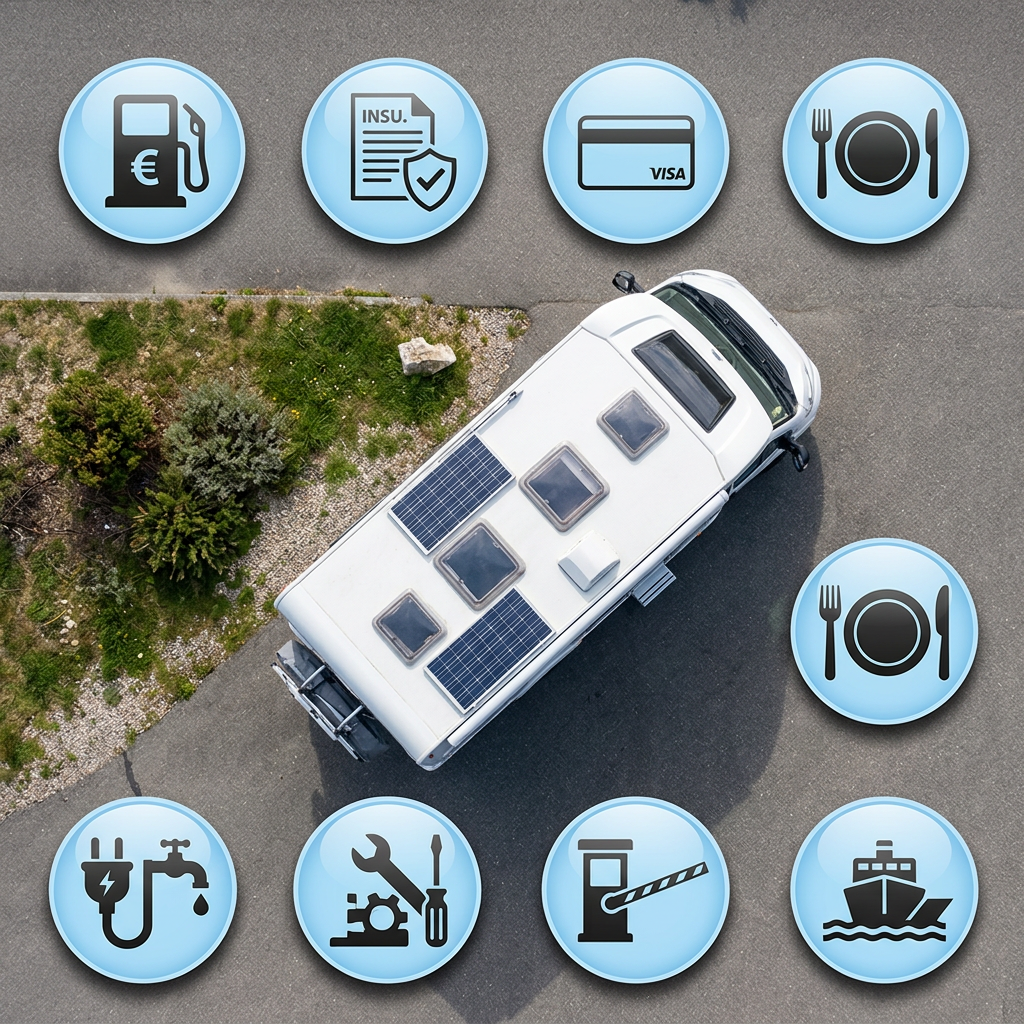
One of the most common questions asked by aspiring vanlifers is:
“How much does full-time vanlife actually cost?”
The answer varies significantly depending on travel style, vehicle type, accommodation choices, and personal habits.
Some travellers spend less than they would in a conventional home, while others spend considerably more.
The biggest mistake is assuming that vanlife is automatically cheap.
While a campervan can reduce certain expenses, such as rent or mortgage payments, it introduces a range of vehicle-related costs that do not exist in traditional housing.
This guide explains the major expenses associated with living in a campervan full-time in 2026 and provides realistic budgeting examples for different lifestyles.
For a complete overview of life on the road, see Full-Time Vanlife Guide.
Is Full-Time Vanlife Cheaper Than Traditional Living?
In many situations, yes.
However, it depends on:
- Existing housing costs
- Travel frequency
- Vehicle ownership costs
- Campsite usage
- Fuel consumption
- Lifestyle choices
Someone travelling hundreds of miles every week may spend significantly more than a slow traveller who stays in one area for extended periods.
Vanlife is best viewed as a lifestyle choice rather than a guaranteed money-saving strategy.
The Main Full-Time Vanlife Expenses
Most full-time travellers encounter costs in the following categories:
Vehicle Costs
- Fuel
- Insurance
- Tax
- MOT
- Maintenance
- Repairs
Living Costs
- Food
- Laundry
- Toiletries
Travel Costs
- Campsites
- Ferries
- Parking
Utilities
- Connectivity
- Electricity systems
- Water management
Emergency Costs
- Breakdowns
- Accommodation
- Unexpected repairs
Understanding all categories helps create realistic budgets.
Fuel Costs
Fuel is often one of the largest vanlife expenses.
Monthly costs depend on:
- Distance travelled
- Vehicle size
- Driving style
- Fuel prices
Low Travel Lifestyle
500–800 miles per month.
Moderate Travel Lifestyle
1,000–1,500 miles per month.
High Travel Lifestyle
2,000+ miles per month.
Travelling more slowly often reduces overall costs significantly.
Why Slow Travel Saves Money
Many new vanlifers attempt to visit too many destinations.
This increases:
- Fuel costs
- Wear and tear
- Maintenance requirements
Experienced travellers often discover that:
Travelling less frequently usually improves both finances and enjoyment.
Insurance Costs
Insurance varies based on:
- Vehicle type
- Driver history
- Usage patterns
- Vehicle value
Additional considerations include:
Breakdown Cover
Strongly recommended.
European Cover
For international travel.
Contents Protection
Valuable for long-term travellers.
For detailed guidance, see our up-and-coming Campervan Insurance for Full-Time Travellers post.
Vehicle Tax and MOT
These annual expenses are unavoidable.
Important considerations include:
Vehicle Excise Duty (Road Tax)
Depends on vehicle classification.
MOT Testing
Required for most vehicles over three years old.
Compliance Costs
Maintenance items identified during testing.
These expenses should be included within annual budgeting plans.
Maintenance and Repairs
Many new vanlifers underestimate maintenance costs.
Typical expenses include:
- Tyres
- Brakes
- Servicing
- Batteries
- Mechanical repairs
Vehicle breakdowns are not a matter of if, but when.
Regular maintenance often reduces long-term costs.
Emergency Repair Fund
Many experienced travellers maintain a dedicated repair fund.
A reserve can help cover:
- Unexpected breakdowns
- Recovery services
- Emergency accommodation
- Replacement equipment
Financial resilience provides flexibility during stressful situations.
Food Costs
Food spending varies significantly.
Factors include:
Cooking in the Van
Often reduces costs.
Eating Out Frequently
Can increase spending substantially.
Shopping Habits
Influence monthly budgets.
Travel Locations
Some regions are more expensive than others.
Many full-time travellers find cooking remains one of the easiest ways to control expenses.
Campsite and Accommodation Costs
Accommodation choices significantly affect overall budgets.
Common options include:
Campsites
Offer facilities and services.
Farm Stays
Often provide quieter environments.
Aires and Stopovers
Available in some areas.
Responsible Overnight Parking
May reduce accommodation costs where permitted.
Useful resources include:
Accommodation budgets vary enormously between travellers.
Internet and Connectivity Costs
Reliable connectivity is increasingly important.
Typical costs may include:
- SIM contracts
- Mobile routers
- Satellite services
- Backup connections
Remote workers often require more robust setups.
Useful resources include:
- Connectivity & Remote Working from a Campervan
- Campervan Internet Guide
- Best Mobile Networks for UK Vanlife
- Starlink vs 4G/5G for Vanlife
Connectivity should be treated as an essential utility rather than a luxury.
Electricity Costs
Although solar systems reduce ongoing expenses, electrical systems still involve costs.
Examples include:
- Battery replacement
- Solar maintenance
- Equipment upgrades
- Charging infrastructure
Related resources include:
- Campervan Electrical & Solar Systems
- Full-Time Vanlife Energy Guide
- How Much Battery Capacity Do You Actually Need?
Investing in reliable systems often saves money over time.
Water and Waste Costs
Water costs are generally modest but still require planning.
Potential expenses include:
- Campsite facilities
- Service points
- Water containers
- System maintenance
Useful resources include:
- Fresh Water Management for Long Trips
- Guide to Low-Cost Refill Points Across the UK
- Water System Maintenance Checklist
Water rarely becomes a major budget item but remains important operationally.
Laundry and Everyday Living Costs
Small expenses accumulate over time.
Examples include:
- Laundry facilities
- Cleaning supplies
- Toiletries
- Household consumables
For practical guidance, see our upcoming Laundry & Everyday Practicality post.
These costs are often overlooked when budgeting.
Healthcare and Administration
Full-time travellers should budget for:
Prescriptions
Where applicable.
Healthcare Travel
Attending appointments.
Administrative Costs
Document renewals and official services.
Useful resources we are putting together will include:
- Healthcare & Prescriptions on the Road
- Managing Mail While Travelling
- Registering an Address for Vanlife
Administrative expenses may be small individually, but can accumulate over time.
Example Monthly Vanlife Budgets
The following examples illustrate broad spending patterns.
Actual costs vary considerably.
Budget-Conscious Traveller
| Category | Estimated Monthly Cost |
| Fuel | Low |
| Campsites | Low |
| Food | Moderate |
| Connectivity | Basic |
| Maintenance Reserve | Essential |
Approximate range:
£800–£1,400 per month
Typical Full-Time Traveller
| Category | Estimated Monthly Cost |
| Fuel | Moderate |
| Campsites | Moderate |
| Food | Moderate |
| Connectivity | Moderate |
| Maintenance Reserve | Included |
Approximate range:
£1,400–£2,200 per month
Remote Worker / Digital Nomad
| Category | Estimated Monthly Cost |
| Fuel | Moderate |
| Connectivity | Higher |
| Equipment | Higher |
| Campsites | Variable |
| Maintenance Reserve | Included |
Approximate range:
£1,800–£3,000+ per month
For remote work planning, see:
- Remote Working from a Campervan
- Digital Nomad Vanlife Guide
Hidden Costs Many People Forget
Vehicle Depreciation
The vehicle loses value over time.
Equipment Replacement
Devices eventually fail.
Parking Fees
Can accumulate in popular areas.
Emergency Accommodation
Occasionally required.
Unexpected Travel
Family emergencies and unforeseen events occur.
These costs should be considered during long-term planning.
How to Reduce Vanlife Costs
Common strategies include:
Travel More Slowly
Reduces fuel usage.
Cook More Often
Lowers food expenses.
Maintain the Vehicle
Prevents larger repair bills.
Improve Energy Independence
Reduces campsite dependence.
Plan Routes Efficiently
Avoids unnecessary mileage.
Small improvements often create meaningful long-term savings.
The Cost of Not Budgeting
Poor budgeting can lead to:
- Financial stress
- Premature end of travel plans
- Deferred maintenance
- Safety compromises
Budgeting provides flexibility rather than restriction.
Knowing your costs makes decision-making easier.
Final Thoughts
Full-time vanlife can be less expensive than traditional living, but it is not automatically a low-cost lifestyle.
Success depends on understanding the true costs of vehicle ownership, travel, utilities, and everyday living while maintaining sufficient reserves for unexpected expenses.
Travellers who budget realistically, travel sustainably, and maintain their vehicles carefully are often best positioned to enjoy the freedom that vanlife offers over the long term.
The goal is not necessarily to spend as little as possible.
It is to create a lifestyle that remains enjoyable, flexible, and financially sustainable.