
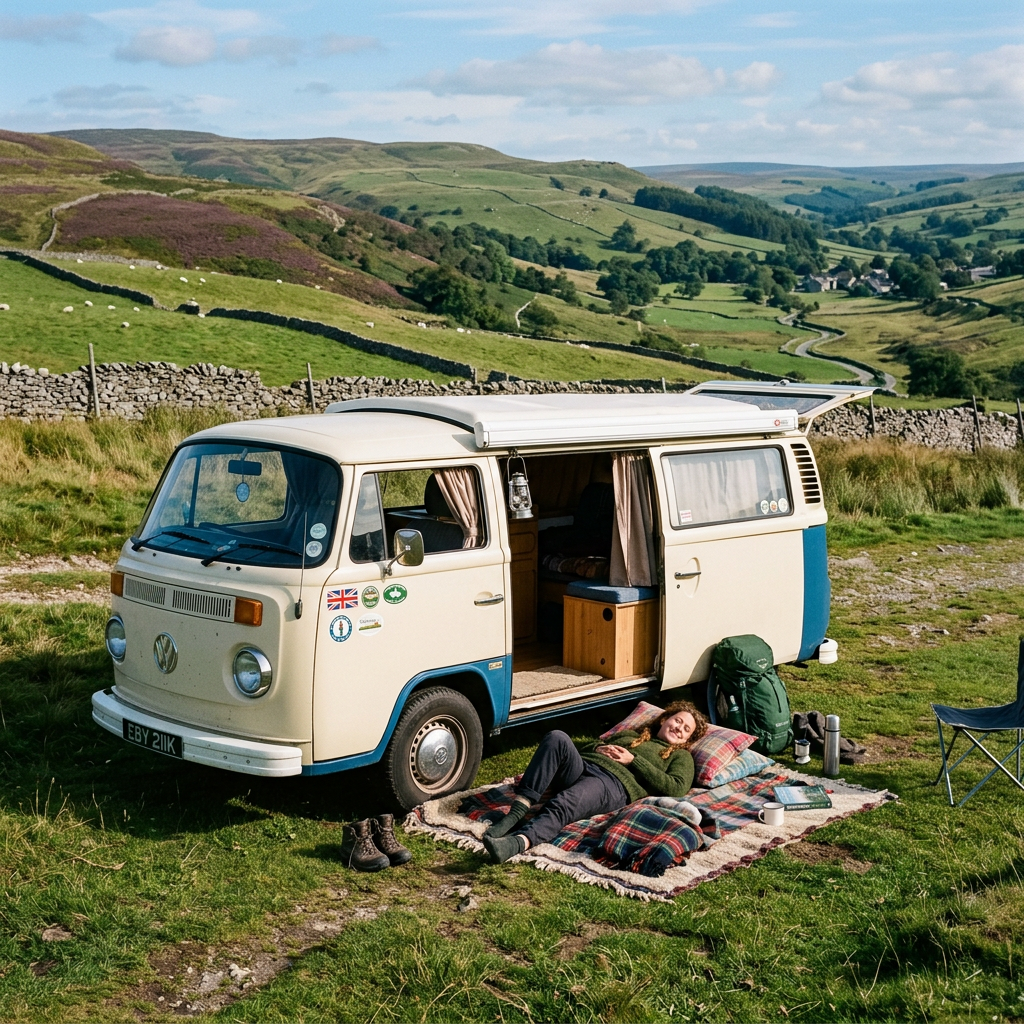
Most campervan trips go according to plan, but illness can affect anyone at any time.
Whether it is a minor illness, a flare-up of a long-term condition or an unexpected health problem, becoming unwell while away from home can feel stressful and disruptive.
Fortunately, the UK’s healthcare system and widespread network of pharmacies, healthcare services and support options mean that most travellers can access help when they need it.
The key is knowing what steps to take, when to seek assistance and how to adapt travel plans safely while recovering.
This guide explains practical actions to consider if you become ill while travelling in a campervan.
For a broader overview, see Emergency Planning for Medical Needs (2026 Edition) and Travelling with Long-Term Health Conditions in a Campervan (2026 Edition).
Stay Calm and Assess the Situation
Illness can feel more worrying when you are away from home.
Before making major decisions, take time to assess:
Symptoms
Severity
Immediate Risks
Ability to Travel Safely
Available Support
A calm assessment often leads to better decisions.
Know When to Seek Emergency Help
Some symptoms require urgent medical attention.
Examples may include:
Difficulty Breathing
Severe Chest Pain
Signs of Stroke
Loss of Consciousness
Severe Allergic Reactions
Serious Injuries
If you believe someone may be experiencing a medical emergency, seek emergency assistance immediately.
Minor Illnesses Are Often Manageable
Many travel-related illnesses are relatively minor.
Examples may include:
Colds
Mild Infections
Headaches
Upset Stomachs
Minor Aches and Pains
Even minor illnesses may benefit from rest, hydration, and sensible self-care.
Don’t Ignore Symptoms
Some travellers are tempted to continue with travel plans despite feeling unwell.
Potential consequences may include:
Slower Recovery
Increased Fatigue
Poor Decision-Making
Worsening Symptoms
Listening to your body is often the safest approach.
Adjust Your Travel Plans
One of the greatest advantages of campervan travel is flexibility.
If illness develops, consider:
Delaying Travel
Staying Longer in One Location
Reducing Activities
Taking Recovery Days
Changing plans is often preferable to pushing through illness.
Rest Is Not Wasted Time
Many travellers feel pressure to continue sightseeing or driving.
However, recovery often requires:
Sleep
Hydration
Nutrition
Reduced Activity
Related future article:
➡ Creating Healthy Travel Routines
Rest should be viewed as an important part of recovery.
Stay Hydrated
Hydration can be particularly important when dealing with:
Fever
Digestive Illness
Hot Weather
Fatigue
Always ensure access to safe drinking water while travelling.
Monitor Existing Health Conditions
For travellers with long-term health conditions, illness may affect existing symptoms.
Pay attention to:
Changes in Symptoms
Medication Requirements
Energy Levels
Equipment Needs
Related article:
➡ Travelling with Long-Term Health Conditions in a Campervan
Early action may help prevent complications.
Accessing Healthcare While Travelling
If symptoms persist or worsen, healthcare support may be appropriate.
Potential options may include:
Community Pharmacies
NHS Services
Urgent Care Services
Emergency Care
Knowing where to seek help can reduce stress.
Pharmacies Can Be Valuable Sources of Advice
Pharmacists may be able to assist with:
Minor Illness Advice
Medication Guidance
Symptom Management
Healthcare Signposting
They are often one of the first places travellers seek support.
Review Your Medication
If you already take medication, consider:
Whether Doses Have Been Missed
Whether Supplies Are Running Low
Whether Symptoms Affect Treatment
Related articles:
Medication management remains important during illness.
Travelling With Medical Equipment
Travellers using medical equipment should ensure that illness does not affect:
Equipment Operation
Charging Arrangements
Power Availability
Monitoring Routines
Related article:
➡ Powering Medical Equipment in a Campervan
Maintaining treatment routines is often important.
Consider Campsite Facilities
If recovering from illness, campsite choice may become more important.
Factors may include:
Access to Facilities
Healthcare Proximity
Electrical Hookups
Quiet Environments
A suitable campsite can make recovery more comfortable.
Food and Nutrition During Recovery
When possible, aim to maintain:
Regular Meals
Adequate Hydration
Balanced Nutrition
Appropriate Medical Advice
Simple, familiar foods may be easier to manage when unwell.
Travelling Alone When Ill
Solo travellers may face additional challenges.
Helpful considerations include:
Informing Trusted Contacts
Sharing Your Location
Checking In Regularly
Seeking Assistance When Needed
Related future article:
➡ Solo Travel Without Feeling Isolated
Communication becomes particularly important when travelling alone.
When a Health Condition Flares Up
Some long-term conditions involve periods of increased symptoms.
Potential strategies may include:
Reducing Activities
Reviewing Treatment Plans
Seeking Healthcare Advice
Extending Recovery Time
Flexibility often helps manage symptom fluctuations.
Severe Weather Can Complicate Recovery
Weather conditions may affect both health and travel.
Potential challenges include:
Heatwaves
Cold Weather
Storms
Flooding
Travel plans may need adjustment to support recovery.
Full-Time Vanlife Considerations
For full-time travellers, illness may occasionally require longer-term planning.
Potential considerations include:
Healthcare Access
Prescription Management
Temporary Accommodation
Family Support
Long-term travellers may benefit from contingency plans.
Prepare Before Illness Happens
Good preparation often makes illness easier to manage.
Helpful steps may include:
Carrying Medical Information
Maintaining Emergency Contacts
Monitoring Medication Supplies
Understanding Local Healthcare Options
Related articles:
Preparation supports confidence.
Common Mistakes Travellers Make
Ignoring Symptoms
Continuing to Drive When Unwell
Delaying Medical Advice
Running Low on Medication
Refusing to Adjust Travel Plans
Most situations become easier to manage when addressed early.
What Experienced Travellers Prioritise
Travellers who spend significant time on the road often focus on:
Flexibility
Recovery Time
Healthcare Awareness
Good Preparation
Self-Care
Realistic Expectations
They understand that occasional illness is a normal part of life and travel.
Recovery Should Take Priority
When illness occurs, recovery is often more important than maintaining travel schedules.
Giving yourself time to recover can help:
- Improve wellbeing
- Reduce complications
- Support safer travel
- Improve overall enjoyment
A delayed itinerary is usually preferable to worsening illness.
Final Thoughts
Becoming ill while travelling can be inconvenient and stressful, but it does not have to derail your entire trip.
By staying calm, assessing symptoms carefully, accessing healthcare when appropriate and remaining flexible with travel plans, most travellers can manage illness safely and effectively.
Campervan travel offers an important advantage during recovery: flexibility.
The ability to adjust plans, remain in one location and travel at your own pace can make managing illness significantly easier than many other forms of travel.
Ultimately, good preparation, sensible decision-making and a willingness to prioritise health can help ensure that temporary illness does not become a major obstacle to enjoying life on the road.