
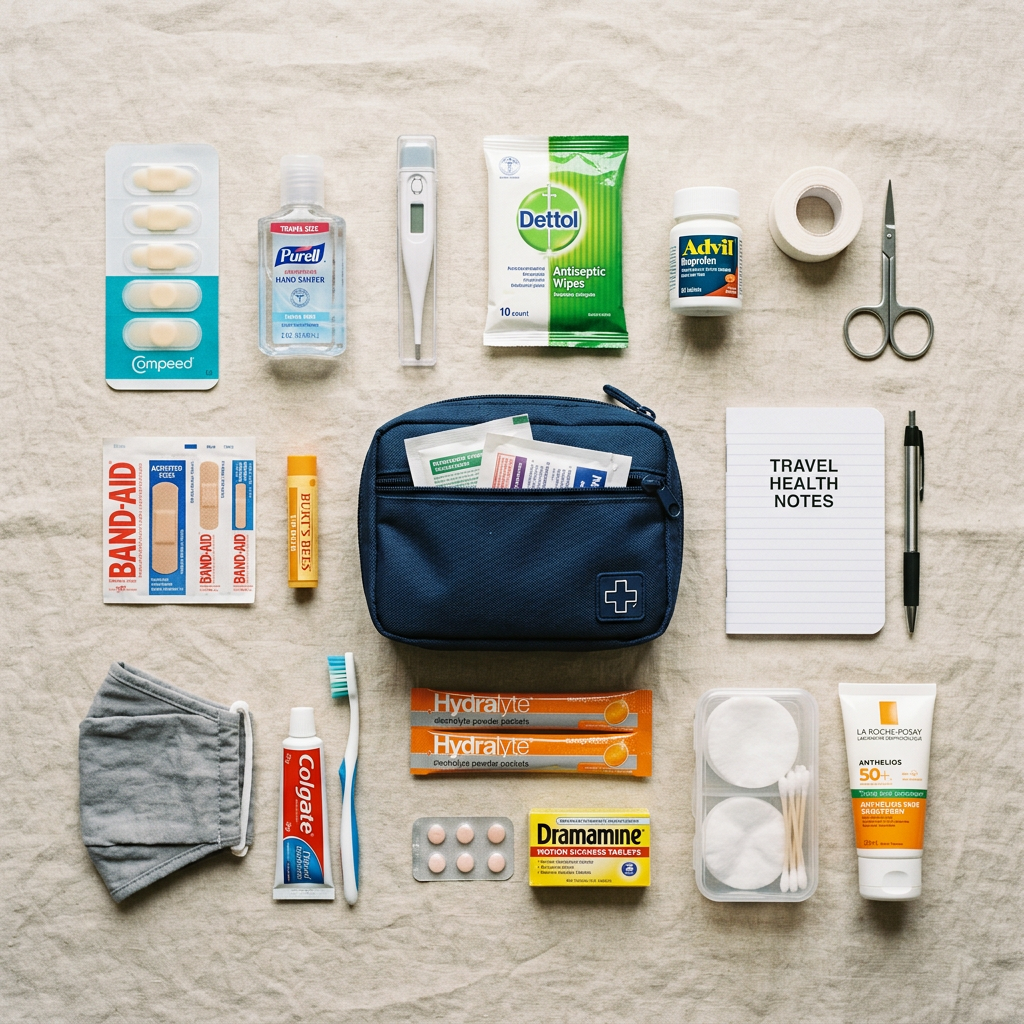
Healthcare is one of the most important aspects of full-time vanlife, yet it is often overlooked during the planning stage.
Many people assume that living in a campervan makes accessing healthcare complicated or even impossible. In reality, most healthcare needs can be managed successfully while travelling, provided appropriate systems are established beforehand.
Whether you require regular prescriptions, ongoing treatment, occasional appointments or simply want peace of mind while travelling, preparation can make a significant difference.
This guide explains how full-time travellers can manage healthcare, prescriptions and medical administration while living on the road.
For a complete overview of long-term campervan living, see Full-Time Vanlife Guide.
Can You Access Healthcare While Living in a Campervan?
Yes.
Living in a campervan does not remove your entitlement to healthcare services.
However, practical arrangements become more important when you do not have a conventional residential lifestyle.
Common concerns include:
- GP registration
- Prescription collection
- Medical appointments
- Specialist referrals
- Medical records
- Emergency treatment
Most of these challenges can be managed successfully with planning.
Why Healthcare Planning Matters
Many vanlifers spend considerable time planning:
- Solar systems
- Water capacity
- Internet access
- Storage solutions
Yet healthcare often receives far less attention.
Healthcare planning becomes particularly important if you:
- Take regular medication
- Have long-term health conditions
- Require specialist care
- Travel extensively
- Spend time in remote areas
Preparation reduces stress and improves continuity of care.
Maintaining GP Registration
One of the most common concerns involves GP registration.
In most situations, maintaining a registered GP remains beneficial.
Advantages include:
Continuity of Care
Doctors retain access to medical history.
Prescription Management
Often easier to coordinate.
Referrals
Specialist pathways remain established.
Medical Records
Remain centralised.
For address considerations, see the future post on Registering an Address for Vanlife.
Managing Prescriptions While Travelling
Prescription management is often the biggest healthcare concern for full-time travellers.
Fortunately, there are several approaches available.
Ordering Prescriptions in Advance
Many travellers coordinate prescriptions before moving location.
Benefits include:
- Reduced disruption
- Greater flexibility
- Less time pressure
Planning becomes especially valuable during longer journeys.
Using Different Pharmacies
Prescriptions can often be collected from different locations.
This flexibility helps travellers continue moving while maintaining access to medication.
Always ensure arrangements are made before collection dates.
Prescription Delivery Services
Some travellers use pharmacy delivery options where available.
Potential benefits include:
- Convenience
- Reduced travel requirements
- Improved consistency
Availability varies depending on location and provider.
Planning for Long-Term Health Conditions
Travellers managing ongoing conditions should consider:
Medication Supply
Avoid running low unexpectedly.
Appointment Schedules
Plan around travel routes.
Emergency Information
Keep important details accessible.
Specialist Contacts
Maintain communication channels.
Preparation becomes increasingly important when treatment is ongoing.
Attending Medical Appointments
Appointments may occasionally require additional planning.
Common approaches include:
Returning to a Home Area
For routine appointments.
Coordinating Travel Routes
Around healthcare needs.
Combining Multiple Appointments
During one visit.
Flexibility often helps minimise disruption.
Keeping Medical Records Accessible
Access to healthcare information can be valuable when travelling.
Useful records may include:
- Medication lists
- Allergies
- Diagnoses
- Vaccination history
- Emergency contacts
Digital copies provide convenient backup access.
Always store sensitive information securely.
Emergency Healthcare While Travelling
Medical emergencies can occur regardless of lifestyle.
Important preparation includes:
Emergency Contacts
Kept up to date.
Medical Information
Available when needed.
Medication Lists
Accessible to healthcare professionals.
Travel Plans
Shared with trusted contacts where appropriate.
Preparation can save valuable time during emergencies.
Managing Healthcare in Remote Areas
Many vanlifers enjoy spending time in rural locations.
When travelling in remote areas, consider:
Medication Supplies
Carry sufficient quantities.
Access to Services
Know where facilities are located.
Connectivity
Supports communication and navigation.
Weather Conditions
May affect travel plans.
Remote travel requires additional planning but remains entirely achievable.
Mental Health on the Road
Mental wellbeing is an important part of healthcare.
Potential benefits of vanlife may include:
- Greater access to nature
- Reduced commuting
- Increased flexibility
Potential challenges can include:
- Isolation
- Loneliness
- Reduced routine
- Uncertainty
Maintaining healthy habits remains important.
Future resources include:
- Mental Health and Long-Term Travel
- Avoiding Burnout on the Road
Travel Insurance and Healthcare
Depending on travel plans, additional insurance may be appropriate.
Particularly for:
- International travel
- Extended overseas trips
- Adventure activities
For broader cover considerations, see our upcoming Campervan Insurance for Full-Time Travellers post.
Understanding insurance arrangements before travelling is essential.
Managing Healthcare Administration
Administrative tasks continue while travelling.
Examples include:
Appointment Letters
Often sent by post.
Prescription Notifications
May require monitoring.
Healthcare Correspondence
Needs reliable access.
For guidance, see our future posts on:
- Managing Mail While Travelling
- Registering an Address for Vanlife
Good administrative systems simplify healthcare management considerably.
Vaccinations and Preventative Care
Preventative healthcare remains important regardless of lifestyle.
Examples include:
- Routine vaccinations
- Screening programmes
- Health checks
- Dental care
Travellers sometimes postpone preventative care unnecessarily.
Regular healthcare remains valuable during long-term travel.
Dental Care While Travelling
Dental issues can quickly disrupt travel plans.
Practical considerations include:
Routine Check-Ups
Before long journeys.
Emergency Planning
Knowing where to seek assistance.
Insurance Cover
Where relevant.
Preventative dental care often reduces future problems.
Healthcare for Remote Workers
Remote workers face some additional considerations.
Examples include:
Ergonomics
Poor setups may contribute to discomfort.
Screen Time
Can affect wellbeing.
Sedentary Habits
Require conscious management.
Useful resources include:
- Remote Working from a Campervan
- Creating a Productive Campervan Workspace
- Digital Nomad Vanlife Guide
Balancing work and wellbeing supports long-term sustainability.
Building a Personal Healthcare Plan
Many experienced travellers develop a simple healthcare strategy.
Typical elements include:
GP Registration
Maintained where appropriate.
Prescription Management
Planned in advance.
Medical Information
Stored securely.
Emergency Procedures
Clearly understood.
Contact Lists
Kept current.
A written plan can provide reassurance and consistency.
Common Healthcare Mistakes
Leaving Without Prescription Planning
Can create unnecessary difficulties.
Ignoring Administrative Requirements
May disrupt care.
Running Medication Supplies Too Low
Reduces flexibility.
Delaying Preventative Care
Often creates future problems.
Poor Record Keeping
Makes healthcare management more difficult.
Most issues are avoidable through preparation.
What Experienced Vanlifers Do Differently
Successful long-term travellers often:
Plan Ahead
Particularly for prescriptions.
Maintain Reliable Communication Systems
Supports administration.
Keep Medical Information Accessible
Improves preparedness.
Budget for Healthcare Costs
Reduces stress.
Prioritise Wellbeing
Alongside travel goals.
Healthcare becomes easier when treated as an ongoing part of daily life rather than an occasional concern.
Final Thoughts
Healthcare does not need to become a barrier to full-time vanlife.
With appropriate planning, reliable communication systems and sensible prescription management, most travellers can maintain continuity of care while enjoying the freedom of life on the road.
The key is preparation.
By establishing healthcare arrangements before departure and reviewing them regularly, vanlifers can travel with greater confidence and focus more attention on enjoying the journey itself.
Good healthcare planning is not about expecting problems.
It is about ensuring that when healthcare is needed, support remains accessible wherever the road leads.