
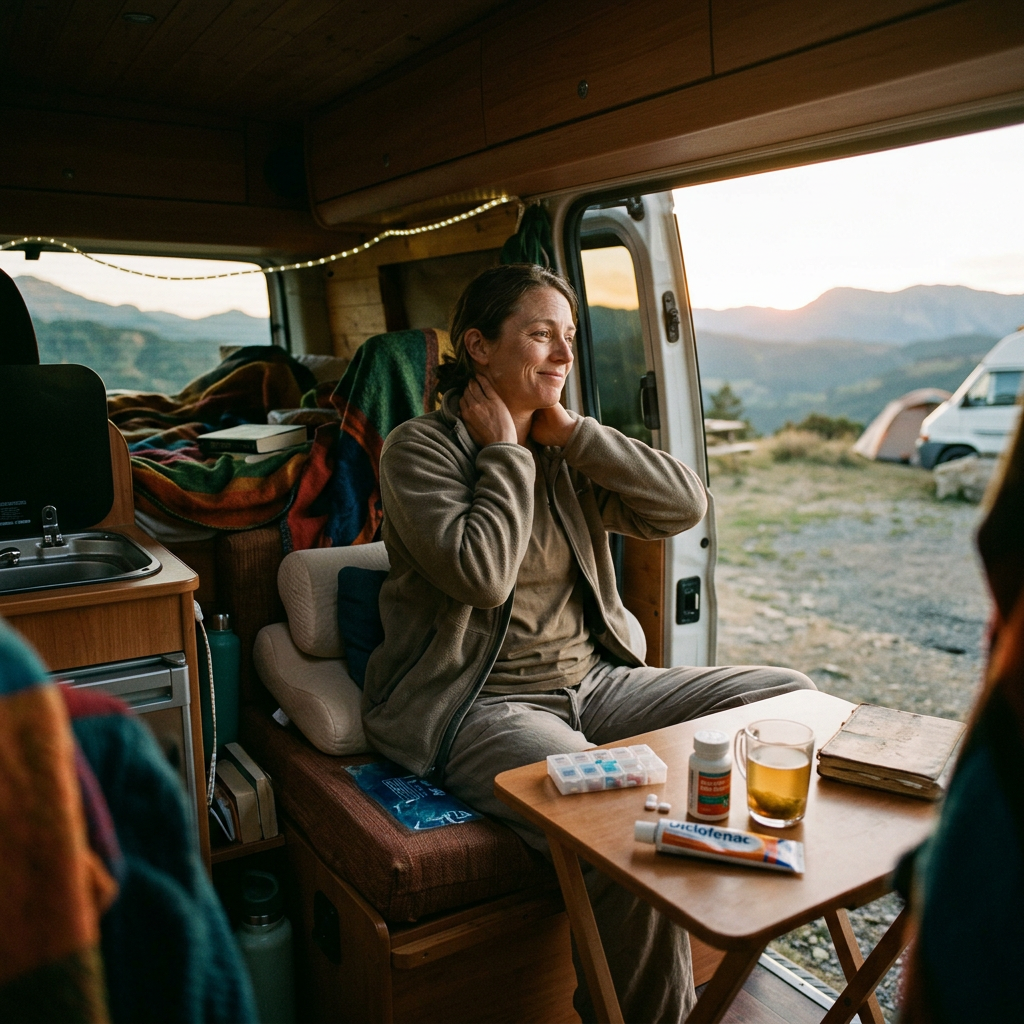
Living with chronic pain does not mean giving up travel.
Many people with long-term pain conditions enjoy campervan adventures throughout the UK, whether travelling for weekends, extended tours, or full-time vanlife. In fact, the flexibility of campervan travel can often make it easier to manage symptoms compared to more rigid forms of travel.
However, chronic pain can affect driving, mobility, sleep, energy levels and day-to-day activities. Understanding how to adapt your travel style can help create a more comfortable and sustainable experience.
This guide explores practical considerations for travelling with chronic pain conditions in a campervan and how to make travel work around your needs.
For a broader overview, see Travelling with Long-Term Health Conditions in a Campervan (2026 Edition).
Understanding Chronic Pain
Chronic pain is generally defined as pain that persists for an extended period of time.
It may be associated with:
Arthritis
Fibromyalgia
Back Pain
Joint Conditions
Neurological Conditions
Autoimmune Disorders
Previous Injuries
Other Long-Term Health Conditions
Pain experiences vary significantly from person to person.
There is no single approach that works for everyone.
Why Campervan Travel Can Be Beneficial
Campervan travel often provides advantages that traditional holidays may not offer.
Potential benefits include:
Flexible Schedules
Familiar Sleeping Arrangements
Easier Access to Personal Equipment
Greater Control Over Daily Activities
Reduced Pressure to Follow Fixed Itineraries
Many travellers find flexibility to be one of the biggest advantages when managing chronic pain.
Plan for Comfort First
Comfort should be viewed as an essential part of travel planning rather than an optional extra.
Consider:
Seating Comfort
Sleeping Arrangements
Temperature Control
Easy Access to Facilities
Reduced Physical Strain
Small improvements can make a significant difference over longer trips.
Choose the Right Travel Pace
One of the most common mistakes travellers make is attempting to do too much in a short period.
Chronic pain often responds better to:
Slower Travel
Fewer Driving Days
Longer Stays
More Recovery Time
Related future article:
➡ Slow Travel in a Campervan
A slower pace can often improve enjoyment.
Pacing Is Important
Pacing involves balancing activity and recovery.
Helpful strategies may include:
Taking Regular Breaks
Limiting Overexertion
Scheduling Rest Days
Avoiding Back-to-Back Busy Days
Overdoing activities can sometimes lead to symptom flare-ups.
Driving and Chronic Pain
Driving can be physically demanding, particularly during longer journeys.
Potential challenges may include:
Stiffness
Fatigue
Joint Pain
Reduced Mobility
Concentration Difficulties
Helpful approaches may include:
Shorter Driving Days
Frequent Stops
Stretch Breaks
Flexible Travel Plans
Safety should always come first.
Create a Comfortable Sleeping Environment
Good-quality sleep can play an important role in pain management.
Consider:
Mattress Quality
Bedding Comfort
Temperature Regulation
Ventilation
Noise Levels
Related future article:
➡ Creating Healthy Travel Routines
Improved sleep may help support overall wellbeing.
Manage Energy Alongside Pain
Pain and fatigue often occur together.
Travellers may benefit from:
Prioritising Activities
Conserving Energy
Building Recovery Time into Plans
Being Realistic About Daily Expectations
Related future article:
➡ Avoiding Burnout on the Road
Managing energy is often just as important as managing pain.
Stay Active Within Your Limits
Movement can be helpful for many people with chronic pain.
Potential activities may include:
Gentle Walking
Stretching
Mobility Exercises
Low-Impact Activities
Any exercise should be appropriate for your individual circumstances and healthcare advice.
Campsite Selection Matters
The right campsite can improve comfort significantly.
Considerations may include:
Distance to Facilities
Surface Conditions
Accessibility Features
Quiet Environments
Availability of Electrical Hookups
Related article:
➡ Understanding Accessible Campsite Facilities
Comfort often starts with choosing the right environment.
Mobility Aids and Support Equipment
Some travellers rely on equipment to help manage pain and mobility.
Examples may include:
Walking Aids
Support Cushions
Orthopaedic Equipment
Mobility Devices
Travelling with familiar equipment can support independence.
Medication Management
Many people with chronic pain use medication as part of their treatment plan.
Helpful considerations include:
Maintaining Adequate Supplies
Following Prescribed Guidance
Organising Medication Carefully
Planning for Longer Trips
Related articles:
Preparation can help avoid unnecessary disruption.
Weather Can Affect Symptoms
Some people notice changes in symptoms during certain weather conditions.
Potential factors may include:
Cold Temperatures
Damp Conditions
Heat
Sudden Weather Changes
Related future articles:
- Winterising a Campervan
- Damp Prevention Guide
Understanding personal triggers may help with trip planning.
Pain Flare-Ups Can Happen
Even with careful planning, symptom flare-ups may occur.
Helpful responses may include:
Reducing Activities
Taking Additional Rest
Adjusting Travel Plans
Prioritising Recovery
Flexibility can make these periods easier to manage.
Mental Wellbeing Matters
Living with chronic pain can affect emotional wellbeing.
Travellers may benefit from:
Stress Management
Realistic Expectations
Supportive Communities
Enjoyable Activities
Related articles:
- Mental Health and Long-Term Travel comes out tomorrow
- Managing Anxiety While Travelling
Health should be viewed holistically.
Travelling Solo with Chronic Pain
Solo travellers may wish to take additional precautions.
Consider:
Sharing Travel Plans
Maintaining Emergency Contacts
Planning Accessible Routes
Building in Recovery Time
Preparation can increase confidence.
Full-Time Vanlife Considerations
Travellers living on the road long-term may need additional planning.
Potential considerations include:
Healthcare Access
Ongoing Treatment
Medication Management
Sustainable Routines
Long-term comfort should be prioritised.
Common Mistakes Travellers Make
Overplanning Activities
Driving Too Far
Ignoring Early Warning Signs
Skipping Recovery Days
Underestimating Fatigue
Many flare-ups can be reduced by respecting personal limits.
What Experienced Travellers Prioritise
Travellers managing chronic pain often focus on:
Comfort
Flexibility
Preparation
Pacing
Sustainable Travel
Realistic Expectations
Their goal is usually to enjoy travel without unnecessarily worsening symptoms.
Travel Can Still Be Enjoyable
Chronic pain may influence how you travel, but it does not have to prevent meaningful experiences.
Many travellers discover that slowing down and travelling more intentionally allows them to enjoy destinations in new ways.
Success is not measured by distance travelled.
It is measured by whether the journey supports your wellbeing.
Final Thoughts
Travelling with chronic pain conditions in a campervan often requires additional planning, but it can also provide a level of flexibility and independence that supports long-term wellbeing.
By prioritising comfort, pacing activities carefully, adapting travel schedules and listening to your body’s needs, many travellers successfully explore the UK while managing chronic pain.
Ultimately, the most enjoyable campervan journeys are not necessarily the busiest.
They are the ones that balance adventure with comfort, allowing you to travel in a way that supports both your health and your enjoyment of the road.