
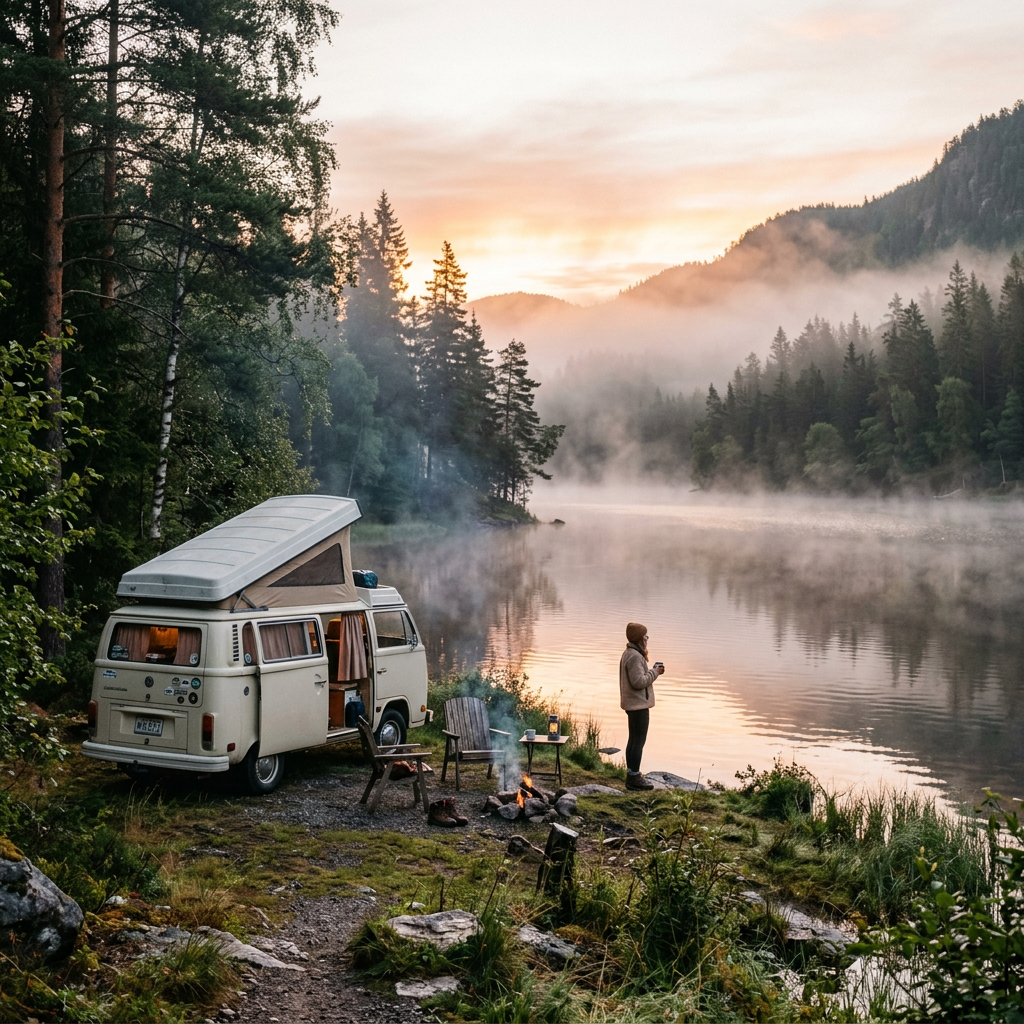
For many people, vanlife represents freedom.
Freedom from fixed schedules.
Freedom from long commutes.
Freedom to travel where and when you choose.
Yet one of the most surprising realities of long-term travel is that freedom itself can sometimes become exhausting.
Many full-time travellers eventually experience periods of fatigue, frustration, or emotional exhaustion commonly referred to as burnout.
Burnout does not necessarily mean you dislike vanlife.
In many cases, it occurs because you have been travelling continuously without enough recovery, structure or balance.
Understanding burnout and learning how to prevent it can help make full-time vanlife more sustainable and enjoyable over the long term.
For broader wellbeing guidance, see Mental Health and Long-Term Travel.
What Is Vanlife Burnout?
Burnout is a state of physical, mental, and emotional exhaustion.
It can develop gradually over weeks or months.
Unlike ordinary tiredness, burnout often persists even after short periods of rest.
Common causes include:
- Constant travel
- Decision fatigue
- Work pressure
- Financial stress
- Social isolation
- Lack of routine
Burnout affects travellers differently, but most experience some form of it during long-term travel.
Why Burnout Happens in Vanlife
Many people assume burnout only affects traditional working environments.
In reality, long-term travel creates its own unique pressures.
Examples include:
Continuous Movement
Never fully settling.
Daily Decision-Making
Constant planning and problem-solving.
Uncertainty
Weather, parking, and logistics.
Administrative Responsibilities
Managing life on the road.
Financial Concerns
Unexpected expenses and income pressure.
Burnout often develops when recovery time fails to keep pace with these demands.
Common Signs of Burnout
Recognising burnout early is important.
Potential signs include:
Constant Fatigue
Even after rest.
Irritability
Reduced patience and tolerance.
Loss of Motivation
Travel feels like work.
Decision Avoidance
Simple choices become difficult.
Reduced Enjoyment
Destinations feel less rewarding.
Emotional Exhaustion
Feeling overwhelmed by routine tasks.
Early intervention is usually easier than recovery from severe burnout.
The “Travel More” Trap
Many new vanlifers feel pressure to maximise every day.
This can lead to:
- Long driving days
- Constant relocation
- Overloaded itineraries
- Exhaustion
Ironically, travelling more often can sometimes reduce enjoyment.
Experienced travellers frequently discover that slower travel creates a better experience.
Why Slower Travel Helps
Benefits often include:
Lower Stress
Fewer logistical demands.
Reduced Fuel Costs
Less frequent driving.
Better Local Experiences
More time to explore.
Improved Routine
Greater stability.
Increased Recovery Time
Less mental pressure.
For many people, slower travel becomes one of the biggest improvements to long-term vanlife.
Decision Fatigue
Every day of life already involves countless decisions.
Vanlife often adds many more.
Examples include:
- Where to stay
- When to move
- Where to refill water
- Where to shop
- Which route to take
These choices seem small individually, but they accumulate over time.
Reducing Decision Fatigue
Helpful approaches include:
Establishing Regular Routines
Reducing daily choices.
Planning Several Days Ahead
Providing structure.
Using Familiar Locations
Reducing uncertainty.
Creating Checklists
Simplifying recurring tasks.
Small systems often make a significant difference.
Work-Related Burnout
Remote workers may face additional challenges.
Common contributors include:
Poor Work-Life Boundaries
Work expands into personal time.
Constant Availability
Difficulty disconnecting.
Productivity Pressure
Particularly for self-employed travellers.
Inadequate Workspaces
Creating frustration.
Useful resources include:
- Remote Working from a Campervan
- Creating a Productive Campervan Workspace
- Digital Nomad Vanlife Guide
Balancing work and travel requires deliberate effort.
The Importance of Taking Days Off
Many travellers continue moving because they feel they should.
Sometimes the most productive choice is stopping completely.
A rest day might involve:
- Staying in one location
- Reading
- Walking
- Relaxing
- Catching up on administration
Recovery is not wasted time.
It is an investment in long-term sustainability.
Financial Burnout
Money concerns contribute significantly to stress.
Examples include:
- Rising fuel costs
- Unexpected repairs
- Income instability
- Budget pressures
Useful resources include:
Financial planning often reduces emotional strain.
Burnout and Vehicle Problems
Mechanical issues can be particularly stressful because your vehicle is also your home.
Examples include:
- Breakdowns
- Maintenance requirements
- Unexpected repairs
Preparation helps reduce the impact.
Useful resources include:
- Campervan Insurance for Full-Time Travellers
- Campervan Electrical & Solar Systems
- Water System Maintenance Checklist
A proactive approach often improves peace of mind.
The Role of Routine
Many people associate routine with restriction.
In reality, routine often protects wellbeing.
Helpful routines may include:
Morning Habits
Creating structure.
Exercise
Supporting mental health.
Work Schedules
Improving balance.
Meal Times
Adding consistency.
Routine creates stability within an otherwise flexible lifestyle.
Sleep and Recovery
Sleep is one of the most important burnout prevention tools.
Poor sleep can contribute to:
- Irritability
- Reduced concentration
- Emotional exhaustion
- Stress
Helpful habits include:
Consistent Sleep Times
Where possible.
Managing Noise
Reducing disturbances.
Improving Ventilation
Supporting comfort.
Limiting Late-Night Screen Use
Promoting recovery.
Good sleep supports every aspect of wellbeing.
Social Burnout and Isolation
Burnout is not always caused by excessive activity.
Sometimes it results from too little connection.
Potential issues include:
- Loneliness
- Isolation
- Lack of support
- Reduced social interaction
Meaningful relationships remain important.
The next article in this cluster, Building Community While Travelling, explores this topic in depth.
Seasonal Burnout
Many travellers find winter particularly challenging.
Common factors include:
Shorter Days
Reduced daylight exposure.
Poor Weather
More time indoors.
Reduced Social Opportunities
Fewer travellers on the road.
Increased Energy Management
Additional daily demands.
Useful resources include:
Seasonal awareness supports resilience.
Learning to Pause
One of the most valuable vanlife skills is knowing when to stop.
This may involve:
- Staying longer in one place
- Reducing travel commitments
- Prioritising rest
- Simplifying plans
Many experienced travellers discover that some of their favourite experiences occur when they stop rushing.
Building a Sustainable Travel Pace
A sustainable pace varies between individuals.
Questions to consider include:
How Often Do You Move?
How Much Time Do You Spend Working?
How Much Time Is Reserved for Recovery?
Are You Enjoying the Lifestyle?
Regular self-assessment helps maintain balance.
What Experienced Vanlifers Learn
Long-term travellers often discover:
Slower Is Often Better
More enjoyment, less stress.
Rest Is Productive
Recovery supports sustainability.
Routine Has Value
Freedom and structure can coexist.
Burnout Is Common
It does not mean failure.
Flexibility Is a Strength
Plans can always change.
These lessons often emerge after experience rather than before it.
Practical Burnout Prevention Checklist
Consider whether you are:
✅ Sleeping well
✅ Taking regular rest days
✅ Managing finances proactively
✅ Maintaining social connections
✅ Exercising regularly
✅ Travelling at a comfortable pace
✅ Allowing flexibility in your plans
The more boxes you can tick, the lower your burnout risk may be.
Final Thoughts
Burnout is one of the most common yet least discussed challenges in long-term vanlife.
While freedom and flexibility are major attractions, they can also create pressures that gradually accumulate over time.
The solution is not travelling less or abandoning vanlife altogether.
Instead, it is building a lifestyle that balances exploration with recovery, flexibility with routine and adventure with sustainability.
Successful vanlife is not measured by how many miles you travel.
It is measured by whether the lifestyle remains enjoyable, healthy, and fulfilling over the long term.
Sometimes the best way to keep moving forward is to slow down.