
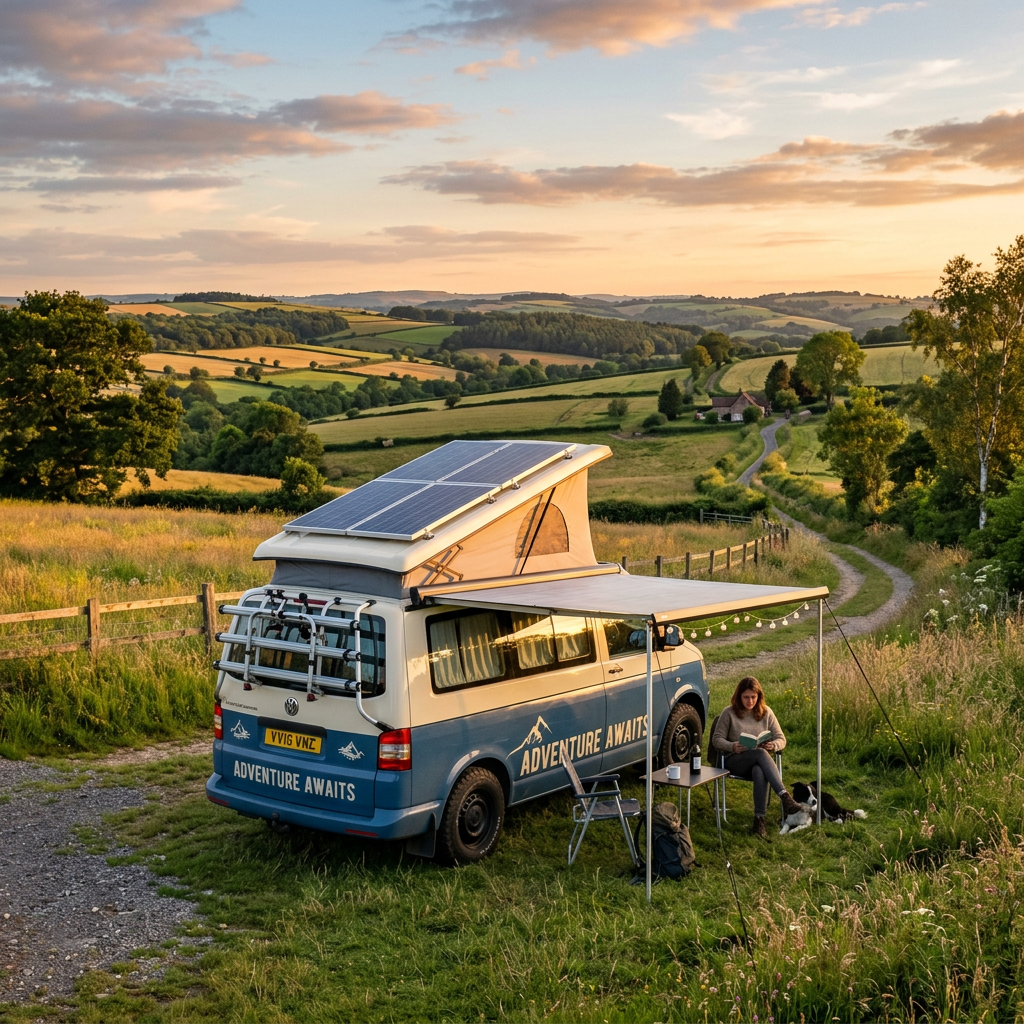
For many travellers, a campervan provides freedom, flexibility and independence. For those who rely on medical equipment, however, reliable power becomes far more than a convenience.
Whether you use a CPAP machine, oxygen concentrator, mobility equipment charger or refrigerated medication, dependable electrical systems are essential for safe and comfortable travel.
Fortunately, modern campervan electrical systems are more capable than ever before. With the right planning, many travellers can confidently power medical equipment during weekend breaks, extended tours and even full-time vanlife.
This guide explains the key considerations involved in powering medical equipment in a campervan and highlights practical ways to improve reliability and peace of mind.
For a broader overview, see the Travelling with Long-Term Health Conditions in a Campervan (2026 Edition) post.
Why Reliable Power Matters
For many campervan owners, running out of power may simply mean losing access to lighting or entertainment.
For travellers relying on medical equipment, the consequences may be far more serious.
Reliable power can support:
- Health management
- Comfort
- Independence
- Safety
- Confidence while travelling
Understanding your power requirements is an important first step.
Identify Your Equipment Requirements
Before designing or upgrading a campervan electrical system, determine exactly what equipment needs power.
Examples may include:
CPAP Machines
Oxygen Concentrators
Mobility Scooter Chargers
Powered Wheelchairs
Refrigerated Medication
Medical Monitoring Equipment
Communication Devices
Different equipment has different power requirements.
Always consult manufacturer guidance where appropriate.
Understand Power Consumption
Electrical planning starts with understanding energy usage.
Important considerations include:
Daily Usage Hours
Power Draw
Charging Requirements
Peak Demand
Backup Needs
Knowing how much power equipment consumes helps determine battery requirements.
CPAP Machines and Campervan Travel
CPAP machines are one of the most common pieces of medical equipment used during travel.
Considerations may include:
Overnight Usage
Battery Capacity
Charging Arrangements
Backup Power
Many travellers successfully operate CPAP equipment from leisure battery systems.
Always confirm the requirements of your specific device.
Oxygen Concentrators
Travellers using oxygen equipment may have additional power requirements.
Important considerations include:
Continuous Operation
Battery Duration
Charging Availability
Emergency Backup Options
Reliable contingency planning is particularly important.
Refrigerated Medication
Some medications require temperature-controlled storage.
Potential examples include:
Insulin
Certain Biologic Medications
Specialist Treatments
Considerations may include:
Dedicated Refrigeration
Power Reliability
Temperature Monitoring
Backup Solutions
Protecting medication should be a priority.
Leisure Batteries Form the Foundation
Most campervan electrical systems rely on leisure batteries.
Common options include:
AGM Batteries
Gel Batteries
Lithium Batteries
Each technology has advantages and disadvantages.
For medical equipment users, reliability and usable capacity are often key priorities.
Related future article:
➡ Leisure Battery Maintenance Guide
Why Lithium Batteries Are Popular
Many modern campervans now use lithium battery systems.
Potential advantages include:
Greater Usable Capacity
Faster Charging
Reduced Weight
Longer Lifespan
Improved Efficiency
However, battery selection should always be based on individual requirements and budget.
Solar Power Can Extend Independence
Solar panels can help recharge batteries during travel.
Benefits may include:
Reduced Reliance on Hookups
Greater Flexibility
Extended Off-Grid Capability
Improved Energy Independence
Related future article:
➡ Solar Panel Maintenance Guide
Solar should usually be viewed as part of a wider power strategy rather than the sole power source.
Hook-Up Power at Campsites
Many campsites offer electrical hook-up connections.
Benefits may include:
Continuous Charging
Reduced Battery Usage
Reliable Overnight Power
Additional Backup Options
Related article:
➡ Understanding Accessible Campsite Facilities
Electrical hook-up availability may influence campsite choices.
Charging While Driving
Many campervans charge leisure batteries while driving.
This can help:
Maintain Battery Levels
Support Daily Equipment Usage
Reduce Dependence on Campsites
Improve Power Resilience
Regular travel can contribute significantly to battery charging.
Backup Power Is Essential
Medical equipment users should avoid relying on a single power source.
Potential backup options may include:
Additional Batteries
Portable Power Stations
Electrical Hookups
Vehicle Charging Systems
Emergency Accommodation Options
Redundancy improves resilience.
Plan for Poor Weather
Solar generation can vary significantly throughout the year.
Factors affecting output include:
Cloud Cover
Seasonal Conditions
Shading
Daylight Hours
Power systems should be designed with realistic weather conditions in mind.
Monitor Your Battery Levels
Understanding available battery capacity is important.
Monitoring systems can help track:
State of Charge
Energy Usage
Charging Performance
Remaining Capacity
Early warning of low battery levels helps avoid problems.
Medical Equipment and Wild Camping
Many travellers enjoy off-grid camping.
Before doing so, consider:
Battery Capacity
Equipment Requirements
Charging Options
Backup Plans
Off-grid travel should never compromise medical needs.
Create an Emergency Power Plan
Every traveller using medical equipment should have a contingency plan.
Consider:
Alternative Charging Locations
Nearby Campsites
Emergency Contacts
Equipment Backup Procedures
Related article:
➡ Emergency Planning for Medical Needs
Preparation often reduces stress and increases confidence.
Keep Equipment Documentation Available
Helpful information may include:
Manufacturer Instructions
Power Requirements
Emergency Contacts
Equipment Specifications
Quick access to information can be useful when troubleshooting.
Electrical Safety Matters
Medical equipment should only be used with suitable power systems.
Consider:
Professional Installation
Correct Fuse Protection
Safe Wiring
System Maintenance
Related future articles:
- Essential Safety Inspection Checklist
- Campervan Electrical System Basics
Safety should never be compromised.
Full-Time Vanlife Considerations
For full-time travellers, power planning becomes even more important.
Long-term considerations may include:
Seasonal Energy Usage
Equipment Reliability
Battery Maintenance
Ongoing Charging Access
Related articles:
A reliable system supports both independence and peace of mind.
Common Mistakes Travellers Make
Underestimating Power Requirements
Relying Solely on Solar
Ignoring Backup Options
Poor Battery Maintenance
Failing to Monitor Energy Usage
Most problems can be avoided through careful planning.
What Experienced Travellers Prioritise
Travellers who rely on medical equipment often focus on:
Reliability
Backup Systems
Battery Capacity
Simplicity
Safety
Redundancy
Their goal is usually to minimise risk while maximising independence.
Reliable Power Supports Freedom
A well-designed electrical system does more than power equipment.
It can help provide:
- Confidence
- Flexibility
- Independence
- Comfort
- Peace of mind
Reliable power often enables greater freedom to travel.
Final Thoughts
Powering medical equipment in a campervan requires careful planning, but it is entirely achievable for many travellers.
By understanding equipment requirements, investing in appropriate battery capacity, maintaining reliable charging systems and preparing backup options, travellers can confidently explore the UK while continuing to manage their health needs.
Ultimately, the best campervan electrical setup is not necessarily the most complex.
It is the one that provides dependable, safe and reliable power when it matters most.